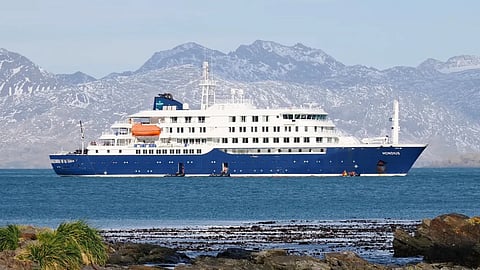


The indignities of the Covid pandemic, with our enforced isolation, lockdowns and silly rules about staying two metres apart from the next person in a queue, are still quite fresh. So, we can easily imagine the feelings of those aboard the little expedition cruise ship Hondius, with about 160 people living cheek by jowl in their confined space, in which a deadly virus was at large.
Cruise ship captains are trained for the unexpected, but this particular emergency in the Atlantic, with the ship’s doctor being one of the afflicted, is an ongoing nightmare that those aboard will not forget easily.
This particular emergency, which has also illustrated how these killers can rapidly get around the world, aided by the agency of jet aircraft speeding departing passengers home, also might be considered a reminder of the importance of the quarantine regulations and the port and airport health services.
Sadly, such services often seem to be under attack by the bean counters, although recent events have once again underlined their value, along with the lifesaving services available for diagnosis by radio, which ship’s staff can readily access.
The prevalence of vomiting bugs and their ilk, cutting a swathe through the happy holidaymakers aboard big cruise ship complements, is perhaps less of a problem with better protocols and onboard hygiene, but it still happens.
All too often, passengers feeling somewhat off-colour as they do their packing are reluctant to cancel and bring their infections aboard to spread around their fellow cruisers. We do not know how the fatal rodent-borne virus clambered aboard Hondius, but it is unlikely to have circumvented the rat-guards in its furry form. It probably, it is suggested, arrived on someone’s boots.
It was the grim lessons of Covid loose on giant cruise ships that provided us with a stark reminder of years gone by, when a ship arriving in the roads with the “plague” flag hoisted sparked real apprehension. Nick Tolerton’s fine book Home Boats about the ships that made New Zealand has a terrifying account of a passage from UK to Lyttelton aboard an immigrant ship in 1863, which had lost 44 of her 371 passengers through both scarlet fever and typhus.
Then there was the frightfulness of the Asian flu virus in the immediate aftermath of World War I, with the returning combatants carrying with them the potential for more deaths than were ever inflicted by the war itself. I have an old photograph showing my uncle’s ship arriving in Melbourne with thousands of cheering troops hanging over the side, oblivious of what was accompanying them in their unseen baggage.
And so it spread, by every means of transport available at the time, around the hemisphere. Rob Neish’s book on Leith-built ships tells of one single ship, Talune, which operated out of Australian ports to the islands of the Pacific, which was credited with bringing death in huge numbers to every island she called at throughout one disastrous voyage. It is a telling account of the lax (but perhaps misunderstood) rules that facilitated this awful transmission of the fatal influenza.
It may have been a long time ago, but those memories were refreshed when Covid struck, with some of the tightest quarantine rules in the islands that were to be found anywhere on earth.
The everlasting lesson, which sometimes can be forgotten when there is nothing horrible happening in the global health scene, is that the authorities should never let down their guard. The old fever and plague hospitals that could once be found near to important ports may be long gone, but the need for relevant quarantine expertise lives on.
One might imagine there remains a good deal of anxiety about ongoing developments in connection with this incident, but general “health anxiety” is to be found amid many of those afloat today. Charles Watkins of Mental Health Support Solutions pointed out that such is a genuine clinical condition and an emerging threat to crew well-being.
We maybe ought not to be surprised, if one considers that in the isolated situation faced by seafarers, a nagging concern over one’s health can prey on the mind. People are talking about the mental health of seafarers in a way that is really quite new, but considering the tiny size of the average crew, the use of multi-lingual and multinational seafaring complements, with loneliness often cited by those who work afloat.
All surely are contributors to this anxiety, none of which can be described as positive.
