

A squeeze in marine fuel supply at major shipping hubs has eased despite the Iran war curtailing exports out of the Strait of Hormuz, with the market working around earlier supply shocks, industry sources told the APPEC industry meet on Thursday.
"We don't see any issues with sourcing bunkers and putting it on board as of today," said Rishi Nyati, managing director at shipping company Emarat Maritime, in a panel discussion at the conference.
There is no crunch in marine fuel, or bunkers, in major shipping hubs currently, unlike in March and April, said Nyati, although adding that refuelling costs have indeed increased.
As of this week, outright prices of mainstay very-low-sulphur (VLSFO) fuel oil in Singapore, the world's largest bunkering hub, are up more than 60 per cent versus pre-war levels, based on data from market sources.
Prices soared after the US and Israel attacked Iran in late February and have remained volatile over the past six months. Current prices have softened, though, from record highs hit in March.
"There is no shortage of fuel oil currently but there is uncertainty on whether there could be any mini-supply shocks," said Max Tay, Asia's head for heavy products at trading house Repsol.
"There are supply disruptions out of the Strait of Hormuz but there are alternatives we can get," Tay said in the same panel discussion.
The challenge comes over the uncertainty of securing blending stocks used to blend marine fuels that meet the specifications for certain buyers and markets, Tay said.
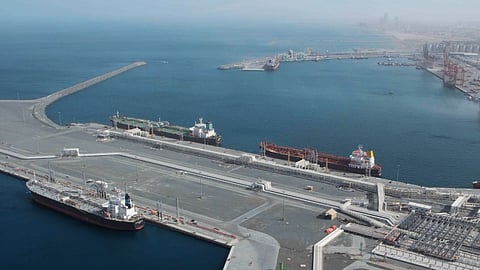
As for the port of Fujairah in the United Arab Emirates, another major ship refuelling hub, Tay estimated that bunker activity had come back to about 40 per cent of pre-war levels, while bunkering in Singapore has been steady since the war started.
Emarat's Nyati told the panel that some oil continues to transit through the Strait of Hormuz despite the prolonged tensions.
"Hormuz is not closed. There are approximately anywhere between about 10 to 15 transits both ways," said Nyati, referring to daily transits of the strait by commodity vessels via the Omani corridor on the southern side of the waterway.
"There is oil moving," he said.
(Reporting by Jeslyn Lerh; Editing by Tom Hogue)
