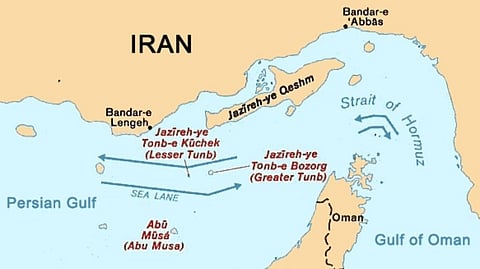


Oil prices have soared while share markets have skidded on fears that the escalating US-Israeli war on Iran will squeeze energy supplies and hamstring industries around the world.
Following are actions that governments are taking or plan to take to reduce the impact of the war on their economies.
South Korean President Lee Jae Myung said on Monday that authorities would cap domestic fuel prices for the first time in nearly 30 years. The country will also look for sources of energy beyond supplies shipped via the Strait of Hormuz, and a KRW100 trillion ($67 billion) market-stabilisation programme should be expanded if needed, he added.
The Japanese Government instructed a national oil reserve storage site to prepare for a possible release of crude, Akira Nagatsuma, a member of the Centrist Reform Alliance opposition party, told Reuters on Sunday.
Details such as the timing of the release remain unclear, Nagatsuma said.
Vietnam is planning to remove import tariffs on fuels to ensure supplies amid disruptions, the government said, adding that the measure is expected to last until the end of April.
Indonesia will increase the amount it has allocated for fuel subsidies in its state budget, its finance minister said on Monday.
The country has currently budgeted IDR381.3 trillion ($22.5 billion) for energy subsidies and to compensate state firm Pertamina and utility company PLN for their efforts to keep some fuel prices and electricity tariffs at an affordable level.
Indonesia, the world's largest palm oil producer, may revive a plan to launch B50 - a blend of 50 per cent palm oil-based biodiesel and 50 per cent conventional diesel, an energy ministry official said.
China has asked refiners to halt signing new contracts to export fuel and to try to cancel shipments already committed, sources with knowledge of the matter said last week.
The guidance did not apply to jet fuel refuelling for international flights, bonded bunkering or supplies to Hong Kong or Macau, they said.
Bangladesh will close all universities from Monday, bringing forward the Eid al-Fitr holidays as part of emergency measures to conserve electricity and fuel.
On Friday, Bangladesh, which relies on imports for 95 per cent of its energy needs, imposed daily limits on fuel sales after panic buying and stockpiling.
(Compiled by Edwina Gibbs; Editing by Lincoln Feast and Shri Navaratnam)
