

Commodities trader Vitol is expected to load the first cargo of naphtha from the US to Venezuela this weekend under a new supply agreement announced just days ago by President Donald Trump, two sources familiar with the matter told Reuters on Saturday.
The flow of naphtha, used as a diluent to thin Venezuela's heavy crude oil and make it easier to move and process, would mark a key milestone in efforts to boost production in the South American country as the Trump administration focuses on reviving its oil industry after removing illegitimate president Nicolas Maduro from power last week.
State-run PDVSA had been reducing output in recent days after a months-long US naval blockade cut its shipments and forced it to store oil on ships as onshore tanks filled up.
Vitol and its trading peer Trafigura struck agreements with the US Government to help market the stranded Venezuelan oil, the companies confirmed on Friday, days after the interim government in Caracas agreed to export up to 50 million barrels of crude oil to the US.
With Venezuelan oil expected to start flowing again, the commodities traders, and oil major Chevron, have been sourcing naphtha to ship it to Venezuela and help revitalize crude production in the country, sources told Reuters.
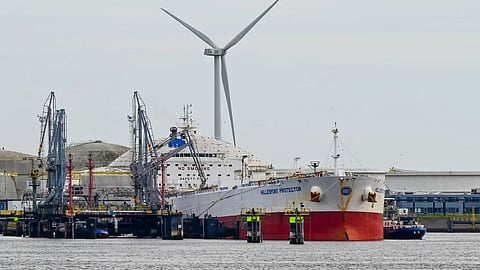
Vitol has chartered the tanker Hellespont Protector to load roughly 460,000 barrels of naphtha from Houston, sources said. The vessel is currently looking for a window to load the product over the weekend and is expected to deliver it in Venezuela sometime next week, they added.
The sources requested anonymity to discuss confidential details. Vitol declined to comment.
Vitol and others had been supplying diluents to Venezuela until the U.S. government early last year began canceling licenses as part of a policy shift toward the country.
Imports of diluent from Russia helped Venezuela replace the volumes it was receiving from the US after those cancellations, and the US could now take back that share from Russia, Commodity Context analyst Rory Johnston said.
"Total diluent imports into Venezuela have been pretty flat over the past year, and assuming the current situation cuts off Russian naphtha flow, then the US will need to replace ASAP to avoid further upstream shut-ins," Johnston said.
(Reporting by Shariq Khan in New York and Marianna Parraga in Houston; Editing by Diane Craft, Nathan Crooks and Andrea Ricci)
