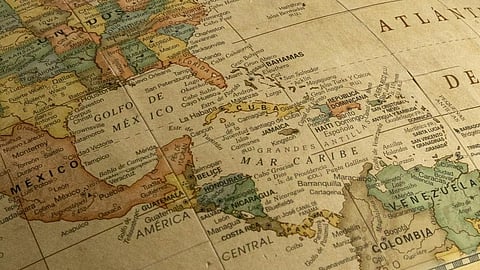

A tanker carrying fuel originally bound for Cuba on Friday changed its destination to Trinidad and Tobago, according to LSEG ship-tracking data, a blow for the island amid a severe fuel scarcity that has triggered power blackouts.
Cuba on Tuesday reconnected its power grid and brought online its largest thermal electricity plant, ending a nationwide blackout that lasted more than 29 hours. But the US move to choke off fuel supply to Cuba's government could cause more outages, Cuban officials have said.
The Hong Kong-flagged vessel Sea Horse loaded a diesel cargo earlier this year through a ship-to-ship transfer in the Mediterranean before setting sail to the Caribbean.
The Russian-origin cargo was bound for Cuba, according to several maritime intelligence firms, but the ship had suspended course in the middle of the Atlantic Ocean since late February.
The tanker has changed course and is heading south to Trinidad, with an estimated arrival on Monday, according to the LSEG data, leaving Cuba with no immediate supplies in sight.
The US Treasury Department on Thursday changed the terms of a waiver it had granted to sales of Russian-origin crude and petroleum products already loaded on tankers to specifically exclude transactions involving North Korea, Cuba and Crimea.
The Trump administration wants to contain high crude and gas prices amid the Middle East conflict, but has not eased pressure on the island's communist government, restricting any oil supplies to private entities only.
Russia's state-run TASS news agency said this week the Russian government is in talks with Cuba about aid options, without providing further details.
Power blackouts are now the norm in Cuba, which has received only two tankers at its ports this year bringing imported oil cargoes, LSEG data showed.
The Caribbean country needs imported fuel oil and diesel to generate power and avoid more outages, while gasoline sales remain strictly rationed and sold on the black market for $8 per litre, six times the official price.
Trinidad's Prime Minister Kamla Persad-Bissessar told parliament last week there was interest, including from the US, in using the twin-island country's idled refinery and tank infrastructure for oil storage.
Trinidad's government did not immediately reply to a request for comment.
(Reporting by Marianna Parraga; additional reporting by Curtis Williams. Editing by Kylie Madry, Rod Nickel)
