
The US-Israeli war on Iran has the potential to reduce global energy supplies more than Russia's invasion of Ukraine in 2022, the chief executive of Austria's OMV said on Monday.
The Ukraine conflict has largely rerouted energy supplies while the Iran war has taken energy supplies from the global market, OMV CEO Alfred Stern told Reuters. The economic effects of the crisis are already being seen in lower-income countries, he said.
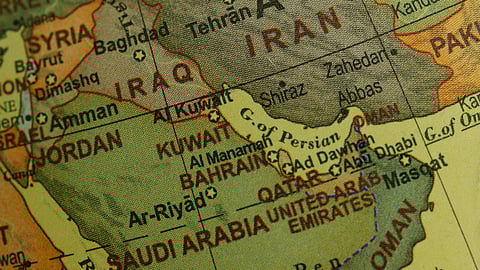
The Iran war, now in its fourth week, and Tehran's attacks on gulf neighbours have damaged major energy facilities and brought shipping through the Strait of Hormuz - which handles about 20 per cent of global oil and liquefied natural gas flows - close to a halt.
"The Middle East crisis now is really a physical disruption of the supply chain," Stern said on the sidelines of the CERAWeek energy conference in Houston. "This is more significant, but of course, the key variable in there is how long will it take? If this is of limited time, it will probably have less impact."
OMV is expected to complete by the end of March a mega-merger with Abu Dhabi National Oil Company to create a global chemicals giant, Borouge Group International. The deal would combine Abu Dhabi-listed Borouge and Europe's Borealis, alongside the acquisition of Nova Chemicals from Abu Dhabi wealth fund Mubadala, to form BGI.
OMV and ADNOC agreed earlier this month on a delay to listing BGI, a decision Stern said was taken because of unfavourable conditions in the chemicals market and overcapacity in Asia. The Middle East crisis was not the cause for the delay, Stern said.
Stern said OMV and ADNOC have delayed the listing to 2027, depending on market conditions. Stern added OMV is interested in more opportunities in Libya, which plans to boost natural gas production in the next five years.
Through OMV, Libya's state-run National Oil Corporation announced in 2025 a new oil discovery in Sirte Basin.
(Reporting by Stephanie Kelly; Editing by Chris Reese and Cynthia Osterman)
