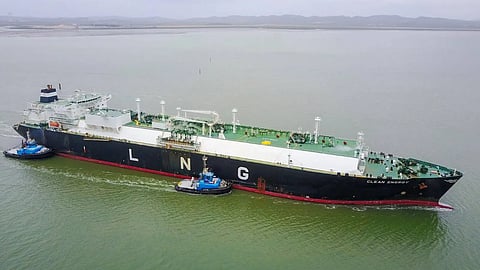

Dynagas LNG Partners reported a net income of $17.4 million for the three months ended March 31, 2026, representing a 27.9 per cent increase from the $13.6 million recorded in the same period of 2025.
The company attributed this financial growth primarily to higher income from insurance claims for past damages and reduced net interest and finance costs.
Net interest and finance costs fell by 18.4 per cent to $4 million, down from $4.9 million in the first quarter of 2025 due to a lighter debt burden and a lower weighted average interest rate of 5.88 per cent.
Operating income for the period stood at $16.5 million, while adjusted earnings before interest, taxes, depreciation, and amortisation decreased to $24.3 million from $27.1 million in the previous year.
Unscheduled repairs on two vessels led to fewer revenue-earning days and partially offset the revenue gains, resulting in a fleet utilisation rate of 95.1 per cent compared to full utilisation in the first quarter of 2025.
Daily vessel operating expenses rose to $18,846 per day, driven by scheduled engine overhauls and technical repairs, though these costs were largely offset by higher variable hire revenues.
The vessel Clean Energy was redelivered from its charter with SEFE in early April 2026 and commenced a new agreement with Rio Grande LNG at the end of the month. Dynagas noted this new contract is expected to generate higher daily rates and increase future revenues and cash flows.
As of May 29, the company maintained complete charter coverage for its fleet of six vessels through 2027 and 65 per cent coverage for 2028.
This contractual position represents an estimated revenue backlog of $0.78 billion, with an average remaining charter term of 4.7 years.
The company noted that recent sanctions adopted by the European Union and the UK will restrict its charterer, Yamal Trade, from transporting Russian-origin liquefied natural gas starting January 1, 2027.
These restrictions target the vessels Yenisei River and Lena River, which are currently contracted under long-term agreements extending to 2033 and 2034, respectively.
To comply with the regulations, the partnership is evaluating measures to lawfully remove its European Union and UK connections by potentially replacing its technical and commercial managers and service providers.
The company warned that any disagreement over the enforceability of these charters could lead to disputes or early contract terminations, which would have a material adverse effect on its financial condition.

