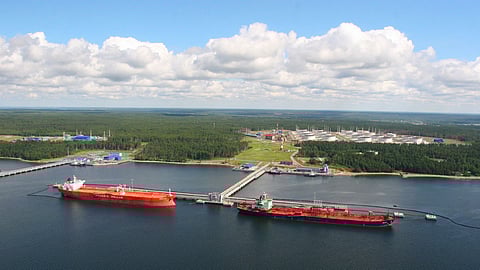


Ultra-low-sulphur diesel loadings from the Russian port of Primorsk may fall about 17 per cent month-on-month in February to 1.7 million tonnes, as lower fuel output and harsh Baltic weather disrupt supplies, data from traders, LSEG and Reuters calculations showed on Wednesday.
Last month, exports via Primorsk, Russia’s largest outlet for ultra-low-sulphur diesel shipments, jumped 32.4 per cent on the month to a record 2.256 million tonnes.
Global diesel markets have rallied since late 2025 due to tight supply created by factors such as recent US sanctions on Russian oil firm Rosneft and Lukoil and a ban by the European Union on imports of fuels that are made from Russian crude.
A decline in diesel exports from Russia’s Primorsk could tighten fuel supplies for its two main buyers, Brazil and Turkey, and push traders to look for alternative suppliers, including India, market sources said.
The European Union has banned imports of Indian oil products made from Russian crude since January 21, limiting its trade flows and forcing it to look for new export routes.
Peak maintenance at Russian primary refining units was expected in January, according to Reuters calculations based on industry estimates, curbing fuel output and reducing the volumes available for export this month.
Meanwhile, severe frosts sweeping across Russia in January and February, with temperatures dropping sharply below seasonal norms, prompted port authorities to tighten vessel requirements and bar tankers without ice-class certification from entering ports of Primorsk, Ust-Luga, Vysotsk and St. Petersburg.
The tougher ice restrictions could shrink in February the pool of tankers available for fuel loadings at Russia’s Baltic ports, traders said.
Shipping data show diesel loadings from Primorsk port have totalled 0.6 million tonnes so far in February, or around 56,000 tonnes per day.
(Reporting by Reuters in Moscow Editing by Tomasz Janowski)
