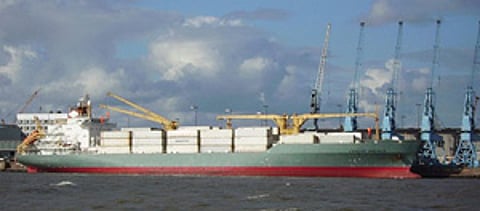

United Kingdom: Drewry Shipping Consultants have launched their latest annual review of the reefer shipping sector with a positive forecast for recovery but a warning about an impending battle between the two types of reefer fleet.
Although seaborne reefer trade fell in 2009 it is expected to make a robust recovery over the next few years. Meanwhile, the modal war that is pitching specialist reefer against container fleets will intensify.
The specialist reefer fleet has been shrinking for some time. By mid-2010, the specialised reefer fleet above 100,000cft had fallen to 727 vessels – down 17 percent in under ten years. The scrapping of specialised vessels has also increased since 2008 – averaging 37 vessels per year over the last two years. By contrast, the number of newbuild containerships due to come on stream in the next two years is greater than the whole of the remaining specialised fleet. This divergence between the two modes could see the specialised sector account for as little as 8.4 percent of capacity berthed by 2012. Clearly containerships are set to dominate the market even further than they currently do.
"Ironically, the projected growth in seaborne reefer trade favours the specialised type of vessel. Yet this growth cannot be accommodated by the specialised fleets handing the container operators a golden opportunity to increase their market share," said Nigel Gardiner, Drewry Managing Director.
"Rationalisation within the specialised sector has accelerated in the past twelve months. There could be interesting times ahead to see whether the specialised operators rise to what could be a significant commercial opportunity for them or continue their decline."
Drewry's Review depicts worldwide perishable reefer trade growing by 44.3 million tonnes between 2000 and 2009 with the highest percentage growth in the exotic fruit category.
The seaborne portion increased by 22.3 million tonnes for the same period, with the largest volume growth in meats.
The data is broken down by key commodities. Just as notable is the change in import patterns with volumes into Western Europe, although considerable, declining whilst Eastern European imports have grown from nice percent to 14 percent of overall trade.
The other warning to emanate from this latest data is for operating costs. Recession brought a number of reefer operators to their knees but it also served to keep operating costs down.
That is all predicted to change: raw material prices have started to rise as have the all important lube oils. The shortage of skilled seafarers remains a problem and wages, held back down during the downturn, are set to spiral once more. Overall, the trend will be for rising costs post-2011.
Fleet operators need to take heed as the growing containership fleet is likely to keep rates down while the cost base rises.
