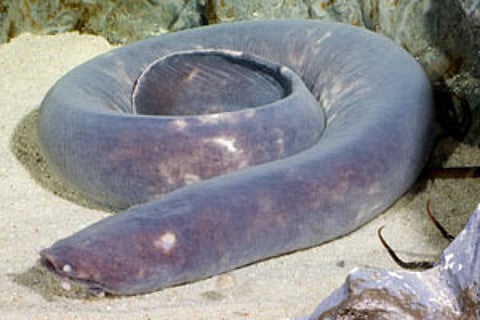

Research by the International Union for the Conservation of Nature (IUCN) has indicated that 20 percent of hagfish species are at an elevated risk of extinction, and that the primary causes of the decline are the direct and indirect effects of fisheries.
According to the study, overexploitation and destructive fishing practices are major threats to several hagfish species, including myxine paucidens and paramyxine taiwanae, both listed as endangered. No current conservation measures or legislation exist to protect hagfish populations.
Particular areas of concern highlighted in the study include southern Australia, where the only hagfish species present is threatened, and the coast of southern Brazil. Also of concern are the species found in the East China Sea, the Pacific coast of Japan, and coastal Taiwan; in these areas, four of the 13 hagfish species are threatened with extinction.
As bottom feeders, hagfish play an important role by cleaning the ocean floor and recycling nutrients into the food web by consuming dead and decaying carcasses that have fallen to the ocean floor. This maintains the overall health of the ecosystems they inhabit creating a rich environment for other species including commercial fish such as cod, haddock and flounder.
"The presence of hagfish in areas of intense fishing is extremely important as large amounts of bycatch are discarded," says Landon Knapp, lead author of the IUCN study.
Fisheries worldwide profit from the harvesting of hagfish such as myxine garmani (Vulnerable) and eptatretus burgeri (Near Threatened) for leather and food. Hagfish are also an important part of the food chain, being prey for fishes, seabirds and even marine mammals such as seals. When fishing pressure was focused on hagfish in certain locations in the north-western Atlantic, the stock of other commercial species, such as flounder, plummeted.

