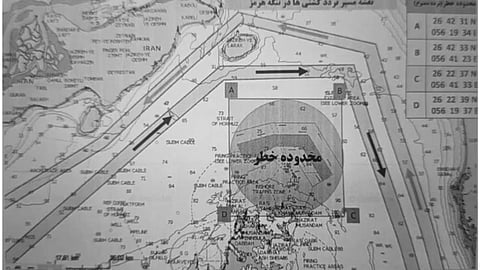


At least six ships - a fraction of the usual traffic - have crossed the Strait of Hormuz in the past 24 hours, shipping data showed on Wednesday, while the US and Iran remain deadlocked over coming to terms that would re-open the crucial waterway.
The vessel traffic was mainly through Iranian waters and included the Vast Plus chemical tanker, which is subject to US sanctions, according to Kpler ship-tracking data and satellite analysis from SynMax.
Most of the ships were dry bulk carriers, and Reuters could not determine if more than six had transited the strait, but ship traffic has averaged around seven vessels a day in recent days.
That's a minuscule percentage of the normal flow through the crucial waterway at the entrance to the Persian Gulf, which was at 125 to 140 daily passages before the Iran war began on February 28.
US President Donald Trump urged Iran on Wednesday to, "get smart soon," and sign a deal, following days of deadlock in efforts to end the conflict and a media report that the US would extend its blockade of Iran's ports.
"Despite the April 8, 2026 US-Iran ceasefire, commercial traffic remains limited, with constrained transits and continued routing uncertainty," the US navy-led Joint Maritime Information Center said in its latest assessment report this week.
Iranian officials have floated a proposal to charge ships a toll for sailing through the strait.
Shipping companies that make any payment to Iran for passage through Hormuz result in sanctions exposure even for non-US persons, the US Treasury said in an advisory on Tuesday.
Payments to the government of Iran or the Revolutionary Guards "directly or indirectly" for safe passage through the Strait of Hormuz would not be authorised for US persons, including US financial institutions, or for US-owned or -controlled foreign entities, Treasury said.
"Such payments also create significant sanctions exposure for non-US persons," it said.
(Reporting by Jonathan Saul)
