
Irish Continental Group (ICG) reported that revenue increased by 10 per cent to €666.7 million ($706.7 million) for the year ended December 31, 2025. Operating profit rose to €85.6 million from €69.1 million in the previous year.
The group’s ferries division recorded revenue of €465.5 million, supported by growth in freight volumes and onboard spending. Profit before tax reached €77.5 million, compared to €62.2 million in 2024.
Ro-Ro freight carryings increased to 816,700 units, representing a 6.5 per cent rise. Car volumes fell to 679,700 units, a decrease the company linked to the reduction of a vessel on the Dover to Calais route.
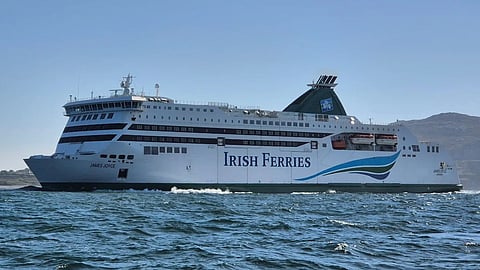
The group stated that full asset ownership, "enhances operational control, resilience and long-term cost predictability". This follows the acquisition of the Ro-Pax ferry James Joyce and a purchase agreement for another Ro-Pax ferry, the Oscar Wilde.
The James Joyce can accommodate more than 2,000 passengers and 2,380 lane metres of vehicles.
Revenue in the container and terminal division rose to €234.6 million, while operating profit for the segment reached €20.4 million. Container shipments through the Eucon line increased by 16.4 per cent during the period.
The group reported that it has extended its concession to operate the Belfast Container Terminal through to 2032. Port lifts at the group terminals in Dublin and Belfast rose to 360,900.
“2025 was a strong year for the group, driven by a solid operational performance across both divisions and supported by continued strength in our core markets,” said Chairman John B. McGuckian. He noted that operational challenges at Holyhead port remain a potential source of disruption.
Net debt stood at €256.1 million at the end of the year, up from €162.2 million in 2024. This change followed strategic capital expenditure of €82.6 million and share buybacks.
The group spent €97.7 million to buy back 17.8 million shares during the twelve months. The board of directors proposed a final dividend of about €0.11 per share.
Total fuel costs reached €110.5 million, as bunker consumption increased to 173,800 tonnes. The company noted that geopolitical developments have led to higher fuel prices and potential impacts on economic growth.

