

The Caspian Pipeline Consortium's (CPC) oil loadings hit a record high 7.187 million tonnes in May, or about 1.83 million barrels per day (bpd), due to higher output at Kazakhstan's giant Tengiz oilfield after temporary maintenance work, two industry sources said.
Oil output at the Tengiz field fell for several days at the end of May due to a malfunctioning transformer issue, but was then restored.
On a daily basis CPC Blend oil loadings rose 10 per cent in May from April, Reuters calculations showed. Loadings in April totalled 6.314 million tonnes, or 1.67 million bpd.
Kazakh crude loadings through the CPC system rose to 6.27 million tonnes in May from 5.45 million tonnes in April, one of the sources said.
Russian crude volumes shipped via CPC also increased, rising to 0.92 million tonnes from 0.86 million tonnes in April.
CPC does not comment on commercial operations.
CPC has also revised up its June export plan for CPC Blend crude to 1.7 million bpd, or around 6.5 million tonnes for the month, from 1.45 million bpd in the previous version of the schedule, according to the sources.
The revision followed the postponement of maintenance at the Kashagan oilfield to 2027 and a recovery in production at Tengiz, they said.
Kazakhstan stopped oil exports to Germany from May 1, redirecting the freed-up volumes to the CPC route.
CPC expects to increase oil shipments to 72 million tonnes in 2026 from 70.5 million tonnes in 2025.
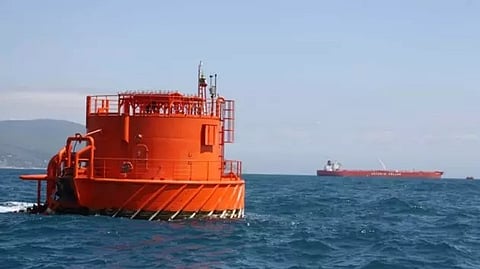
The CPC pipeline carries more than 80 per cent of Kazakhstan's oil exports, mainly from the large Caspian fields of Tengiz, Kashagan and Karachaganak. The crude is loaded onto tankers at the consortium's terminal at Yuzhnaya Ozereyevka near Novorossiysk on Russia's Black Sea coast.
CPC shareholders include Russia with a 31 per cent stake, Kazakhstan with 20.75 per cent, Chevron with 15 per cent, and several private companies.
(Reporting by Reuters; Editing by Susan Fenton)
