
US oil majors ExxonMobil and Chevron both beat analyst expectations for quarterly profit on Friday, as soaring refining margins increased earnings from their fuel-making businesses – which typically have smaller profits – to rival the upstream segments.
The results capped off a second straight banner quarter for Big Oil, as the US-Israeli war with Iran and the war between Russia and Ukraine have disrupted global energy markets for months, sending gasoline and diesel prices higher.
The effective closure of the Strait of Hormuz and recent attacks on refineries in Saudi Arabia and Russia have knocked out fuelmaking capacity.
With capacity limited, Western oil majors' earnings have boom, thanks to the surge in refining margins.
Shell, TotalEnergies and BP also topped third-quarter profit estimates this week, with BP reaching a new record.
Exxon, the largest US oil producer by market capitalisation, is now earning more money from refining than from its exploration and drilling operations for the first time in at least six years.
Chevron's third-quarter downstream earnings also reached their highest point over the same time frame.
Shares of Exxon and Chevron rose about two per cent in Friday trading.
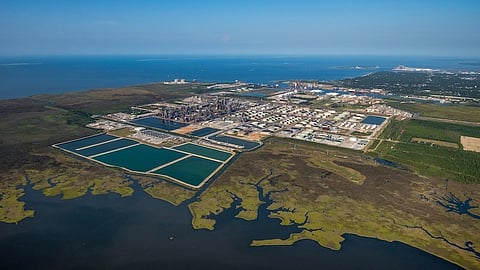
Exxon is investing more in its refineries, including at its Baytown complex in Texas, to increase fuel production, and has leaned on its trading team to direct supplies to where they are needed globally, Chief Financial Officer Neil Hansen said in an interview.
"It's important to acknowledge that these higher fuel prices put real pressure on families and businesses," he said. "The most meaningful response...that we can offer as a company is to pull every lever that's available to us to increase supply."
Distillate production in the US will grow by another 100,000 barrels per day through the refinery investments, the company said, without giving a timeline.
Exxon CEO Darren Woods said on an analyst earnings call that said the company is looking for more ways to expand its existing refining facilities, along with upgrading them to produce more fuels or chemical feedstocks.
Chevron has opportunities to increase efficiency at its US Persian Gulf refineries and could grow capacity by seven per cent at its Pascagoula refinery in Mississippi by the end of the decade, Chief Financial Officer Eimear Bonner told Reuters in an interview.
Exxon reported third-quarter adjusted earnings per share of $4.23, while Chevron earned $5.28 in adjusted per-share profit.
The two US oil majors are using the cash windfall to pay down debt and strengthen their balance sheets instead of significantly raising dividends or buying back more shares.
UK oil producer BP, which posted record quarterly net profit on Friday, said it would use the money to slash liabilities, including an early repayment of its outstanding $5 billion post-tax bill for the 2010 Deepwater Horizon oil spill that killed 11 people.
Exxon reduced debt by $8 billion during the third quarter, Hansen said, adding it planned to stick to its approach of maintaining and growing its dividend over the long term. The company raised its fourth-quarter dividend by four cents from the previous quarter.
Chevron has cut net debt by nearly $14 billion from the end of 2025.
"We think in decades, not quarters," Bonner said. "We need that (strong) balance sheet through high prices and low prices."
Bonner said the spot price of benchmark Brent crude swung from as low as $68 per barrel to a high of $132 during the market's volatile third quarter.
Exxon said it would repurchase $20 billion worth of shares in 2027, the same level as in the previous two years.
(Reporting by Sheila Dang in Houston; Additional reporting by Shadia Nasralla, Pooja Menon and Arunima Kumar; Editing by Tomasz Janowski, David Holmes and David Gaffen)