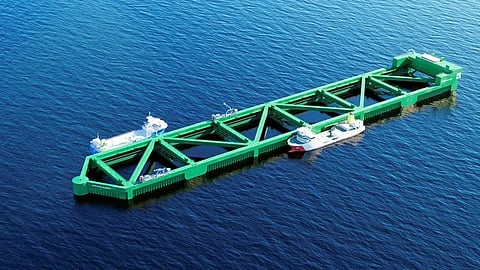

Norway's Minister of Fisheries and the Oceans Marianne Sivertsen Næss has implemented changes to salmon allocation regulations to allow for larger areas to be utilised for offshore aquaculture.
According to the Ministry of Fisheries and the Oceans, these regulations are moving to an area-based approach rather than the previous method of allocating individual locations. This change, which follows rules established in 2022, was announced on January 20, 2026.
The ministry stated that offshore operations require larger areas and "infection-proof zones" from the beginning. Under the updated rules, the entity allocated an area is responsible for its development, including the preparation of an area plan and an impact assessment for the whole region.
The ministry stated the plan is intended to ensure biosecurity and prevent infection between release zones.
These changes are intended to provide stakeholders with better predictability for planning and constructing infrastructure, including transport, service and smolt production. The ministry said this requires major investments, and the regulations will contribute to the development of offshore aquaculture into a "profitable industry".
"Offshore aquaculture is a major boost, and we must choose the most competent actors," said Sivertsen Næss. She stated the government is introducing competence requirements, which will be specified in a separate regulation alongside call areas and competition requirements.
The minister added that the government is also developing requirements for the content of the area plan. Following consultations, the regulations now require one project-specific impact assessment that covers the entire area.
The ministry stated this ensures that detailed information is mapped and collected at an earlier stage. This change followed feedback from stakeholders who suggested there should only be one mandatory impact assessment.

