


![COLUMN | Safety culture matters: Pemex and Perenco on the wrong side of history [Offshore Accounts]](/wp-content/plugins/widgetkit/cache/240415-Offshore-Accounts-2e7c215cfce767bcdd41433c958b68c5.jpg)
![COLUMN | Correcting course: Aramco and jackups; Siem Offshore and Kristian Siem; Ferguson Marine; MMA Offshore; Maersk/Svitzer [Offshore Accounts]](/wp-content/plugins/widgetkit/cache/240408-Offshore-Accounts-9965291fbf97c3136189dedb0097c7b0.jpg)
![COLUMN | Anything goes in 2024 ship design [Grey Power]](/wp-content/plugins/widgetkit/cache/Photo-Maersk1-319594ab5e04eef453ff69dbee7edd60.jpg)
![COLUMN | Reaping what you sow: McDermott, Seatrium, Gunvor and Trafigura [Offshore Accounts]](/wp-content/plugins/widgetkit/cache/240401-Offshore-Accounts-4f5fc87bf9ecf0d22f696ea5006da5c2.jpg)
![COLUMN | Safety culture matters: Pemex and Perenco on the wrong side of history [Offshore Accounts]](/wp-content/plugins/widgetkit/cache/240415-Offshore-Accounts-78addcfe7cd7722dbf7e367fd44924ff.jpg)
![COLUMN | Correcting course: Aramco and jackups; Siem Offshore and Kristian Siem; Ferguson Marine; MMA Offshore; Maersk/Svitzer [Offshore Accounts]](/wp-content/plugins/widgetkit/cache/240408-Offshore-Accounts-f47b25d512dcc397dd4df46b48eb30c3.jpg)
![COLUMN | Anything goes in 2024 ship design [Grey Power]](/wp-content/plugins/widgetkit/cache/Photo-Maersk1-c58eb4a1ebc2150d42b482603fec7a82.jpg)
![COLUMN | Reaping what you sow: McDermott, Seatrium, Gunvor and Trafigura [Offshore Accounts]](/wp-content/plugins/widgetkit/cache/240401-Offshore-Accounts-b23cc713b4b79c006f3d5b6a31e6835f.jpg)
-
July 26, 2019
COLUMN | Anything goes in 2024 ship design [Grey Power]
![COLUMN | Safety culture matters: Pemex and Perenco on the wrong side of history [Offshore Accounts]](https://www.bairdmaritime.com/wp-content/uploads/240415-Offshore-Accounts.jpg)
![COLUMN | Correcting course: Aramco and jackups; Siem Offshore and Kristian Siem; Ferguson Marine; MMA Offshore; Maersk/Svitzer [Offshore Accounts]](https://www.bairdmaritime.com/wp-content/uploads/240408-Offshore-Accounts.jpg)
![COLUMN | Anything goes in 2024 ship design [Grey Power]](https://www.bairdmaritime.com/wp-content/uploads/Photo-Maersk1.jpg)
![COLUMN | Reaping what you sow: McDermott, Seatrium, Gunvor and Trafigura [Offshore Accounts]](https://www.bairdmaritime.com/wp-content/uploads/240401-Offshore-Accounts.jpg)
Latest Features & Opinion
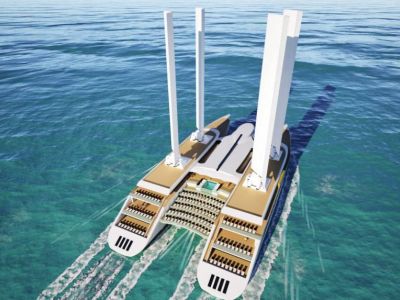
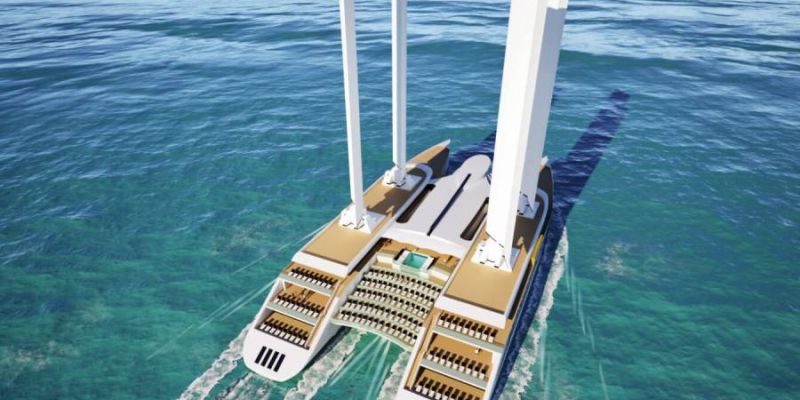
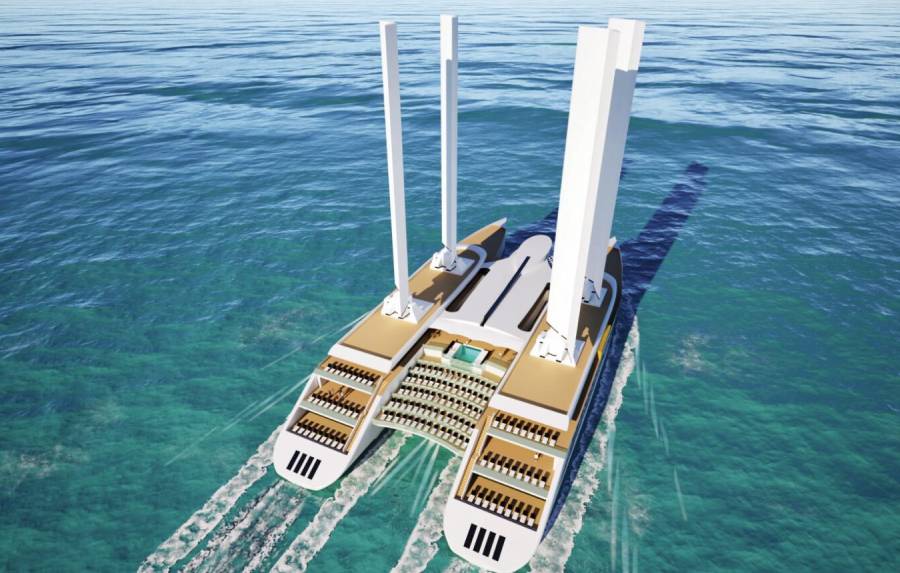
FEATURE | Norwegian firm developing sail-powered cruise ship design
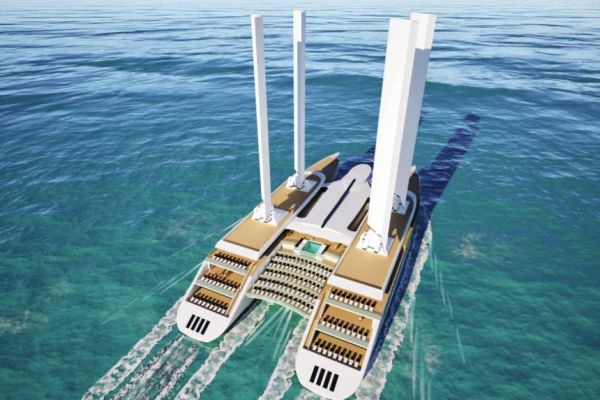
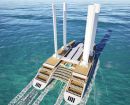
Norwegian naval architecture firm YSA Design has unveiled a concept for a new type of sail-powered catamaran cruise ship that offers the flexibility to access waters where larger vessels will have difficulty operating.
![COLUMN | Safety culture matters: Pemex and Perenco on the wrong side of history [Offshore Accounts]](/wp-content/plugins/widgetkit/cache/240415-Offshore-Accounts-2e71a0643ec0cb3641b2d823b5981d94.jpg)
COLUMN | Safety culture matters: Pemex and Perenco on the wrong side of history [Offshore Accounts]
Offshore is one of the industries with the biggest risk profiles in the world. When bad things happen in offshore, people die, often there are explosions and sinkings, fires and oil spills, and the environment can be badly polluted, killing seabirds, fish, dolphins and coral, and inflicting billions of dollars of losses on ..
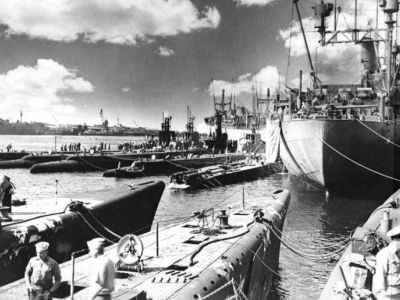
OPINION | Fremantle’s wartime past serves as AUKUS submarine prologue
The strategic potential of Submarine Rotational Force-West, the AUKUS initiative that commits the United States and United Kingdom to forward-deploy a small flotilla of nuclear-powered attack submarines to HMAS Stirling, near Fremantle, isn’t adequately appreciated.
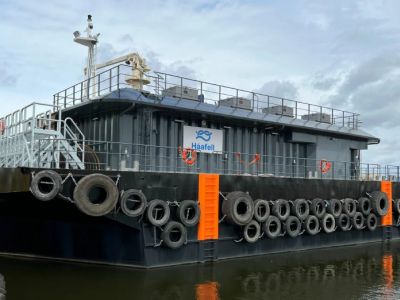
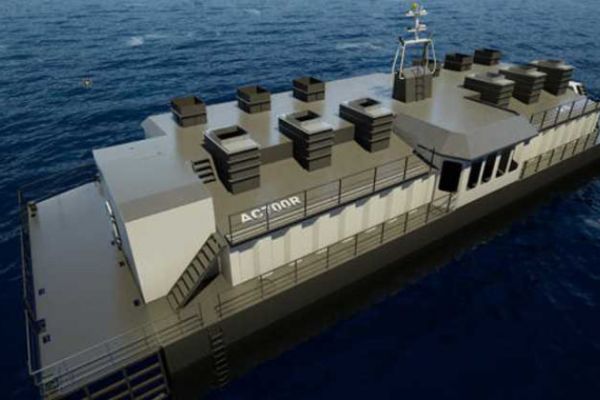
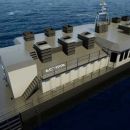
AWARDS 2023 | Best Feed Barge – 485-tonne feed barge – GroAqua
Best Feed Barge – 485-tonne feed barge – GroAqua Fish farm support vessels are, of necessity, becoming larger as they have to operate ever further offshore. Faroe Islands based designer/builder GroAqua has considerable experience with such vessels. This 485-tonne feed barge illustrates its talents perfectly. Built for ..
![COLUMN | Correcting course: Aramco and jackups; Siem Offshore and Kristian Siem; Ferguson Marine; MMA Offshore; Maersk/Svitzer [Offshore Accounts]](/wp-content/plugins/widgetkit/cache/240408-Offshore-Accounts-d88cee064209c6286b905de0259130a3.jpg)
COLUMN | Correcting course: Aramco and jackups; Siem Offshore and Kristian Siem; Ferguson Marine; MMA Offshore; Maersk/Svitzer [Offshore Accounts]
Harold Macmillan was supposedly once asked what the most troubling problem of his time as British Prime Minister was. “Events, my dear boy, events,” was his reply.
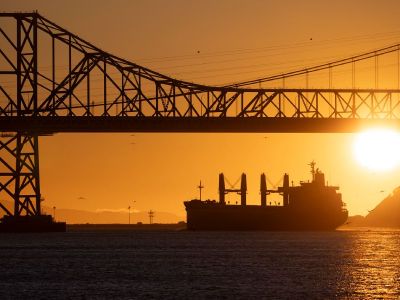
OPINION | Wartime trade: it’s not just military supply
The vulnerability of Australia’s trade routes to military coercion was highlighted by both last year’s Defence Strategic Update and by government commentary on the rationale for AUKUS.
Focus on Fishing and Aquaculture
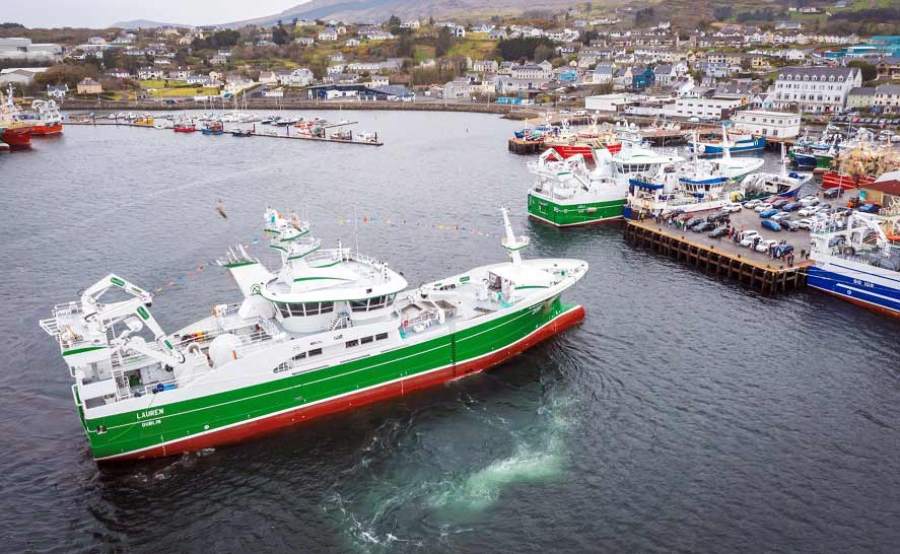
Baird Maritime once more highlights the ever important fishing and aquaculture sector by reviewing newbuild vessels entering service around the world.
-
-
April 16, 2024
FEATURE | Norwegian firm developing sail-powered cruise ship design
Norwegian naval architecture firm YSA Design has unveiled a concept for a new type of sail-powered catamaran cruise ship that offers the flexibility to access waters where larger vessels will have difficulty operating.
-
April 15, 2024
Tour boat capsizing leaves 12 dead in northern China
Twelve people are confirmed to have died after a tour boat capsized in a river in Hebei province in northern China on Saturday, April 13.
-
April 14, 2024
Iran seizes containership in Strait of Hormuz
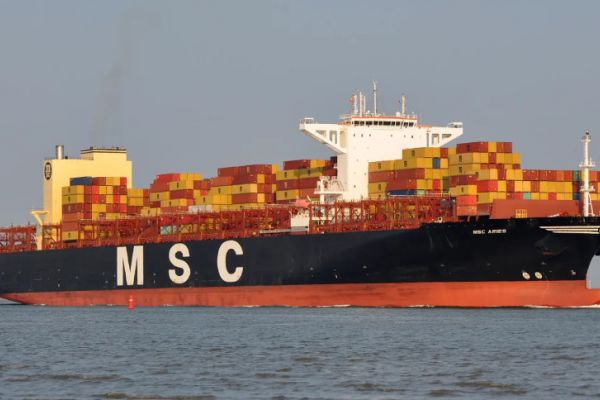
Iranian forces seized a containership operated by Switzerland-based MSC in the Strait of Hormuz on Saturday, April 13.
-
-
-
April 16, 2024
FEATURE | Norwegian firm developing sail-powered cruise ship design
Norwegian naval architecture firm YSA Design has unveiled a concept for a new type of sail-powered catamaran cruise ship that offers the flexibility to access waters where larger vessels will have difficulty operating.
-
April 15, 2024
Tour boat capsizing leaves 12 dead in northern China
Twelve people are confirmed to have died after a tour boat capsized in a river in Hebei province in northern China on Saturday, April 13.
-
April 14, 2024
Iran seizes containership in Strait of Hormuz
Iranian forces seized a containership operated by Switzerland-based MSC in the Strait of Hormuz on Saturday, April 13.
-
-
-
April 16, 2024
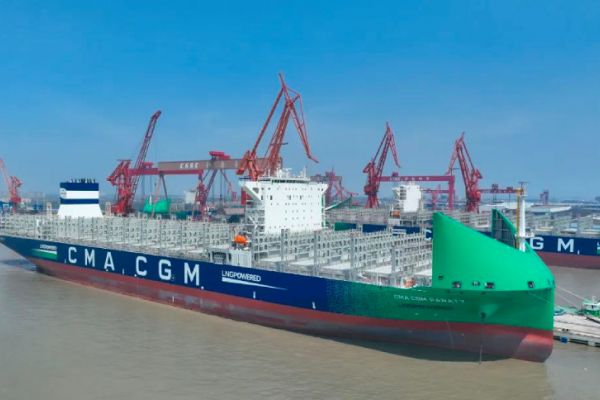
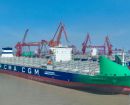
CMA CGM welcomes LNG-powered newbuild to fleet
The CMA CGM Group recently took delivery of a new containership constructed by China’s state-owned Hudong-Zhonghua Shipbuilding.
-
April 13, 2024
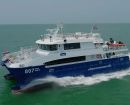
Seaspan Energy’s second LNG bunkering vessel launched in China
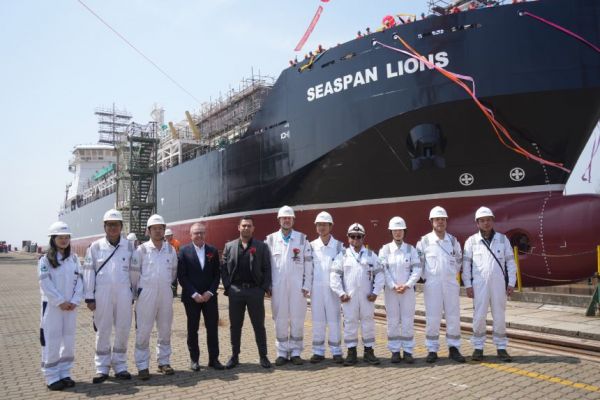
Chinese shipyard Nantong CIMC Sinopacific Offshore and Engineering (CIMC SOE) has launched the second in a series of three LNG bunkering vessels ordered by Canadian shipping company Seaspan for operation by its Seaspan Energy division.
-
April 3, 2024
Dredging commences following quay construction in Rotterdam’s Prinses Amaliahaven container terminal
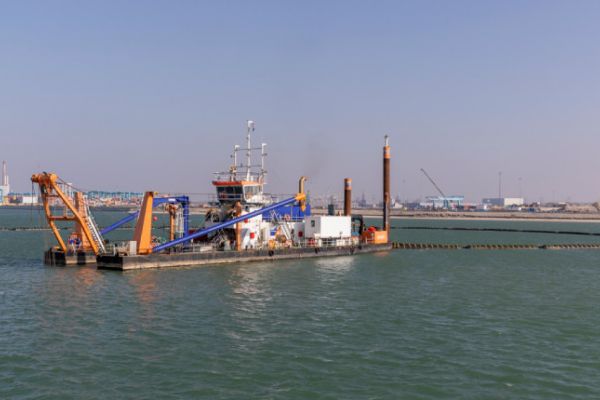
Dutch marine projects company Van Oord has deployed two of its vessels to dredge the harbour at the Prinses Amaliahaven container terminal located on Maasvlakte in Rotterdam.
-
-
-
April 16, 2024
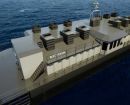
Norway’s Lovundlaks selects local builder for new feed barge
Norwegian aquaculture technology company the AKVA Group has been selected to build a new feed barge for compatriot fish farm operator Lovundlaks.
-
BAIRD MARITIME AWARDSMarch 26, 2024
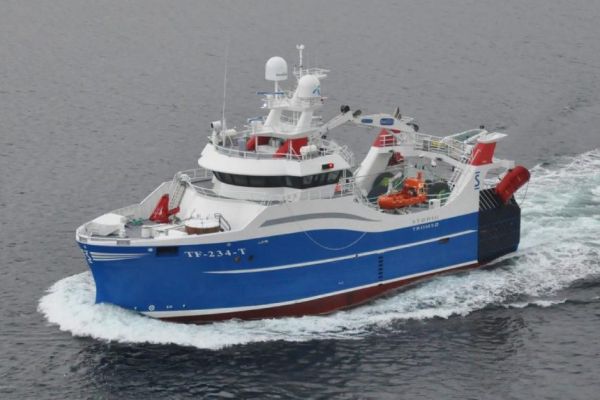
AWARDS 2023 | Best Multi-Purpose Fishing Vessel – Stødig – Karstensens Skibsværft
Best Multi-Purpose Fishing Vessel – Stødig – Karstensens Skibsværft Another magnificent, multi-purpose fishing vessel built by leading Danish shipyard Karstensens for a very experienced Norwegian ship owner. She is a very versatile ship that will be used to catch crabs as well as for seine netting and trawling in the ..
-
BAIRD MARITIME AWARDSMarch 21, 2024
AWARDS 2023 | Best Large Trawler – Gollenes – Karstensens Skibsværft
Best Large Trawler – Gollenes – Karstensens Skibsværft Looking rather like a cruise ship, this very impressive and powerful trawler is a trans-Scandinavian project. She was built by a top class Danish yard, Karstensens Skipsvaerft, for the very experienced Norwegian ship owner, Gollenes. The steel hulled ship with an ..
-
-
-
April 10, 2024
GEAR | Royal Ocean Racing Club to host Speed@Seawork 2024
On June 10, 2024, the Royal Ocean Racing Club of Cowes on the Isle of Wight will host a full day showcasing fast-working boats demonstrating the latest technology and equipment as Speed@Seawork returns for its fifth edition.
-
March 1, 2024
Who’s Who: Maritime Movements for January/February 2024
WORK BOAT WORLD: Philip Malone has joined UK-based maritime nuclear energy company Core Power as its new Vice President of Engineering.
-
December 4, 2023
GEAR | Talent pool expansion, green shipping covered in recently concluded Hong Kong Maritime Week 2023
Hong Kong Maritime Week 2023, which was held from November 19 to 25, included a range of activities that organiser Hong Kong Maritime and Port Board expects will help reinforce the special administrative region’s position as an international maritime centre.
-

![COLUMN | Safety culture matters: Pemex and Perenco on the wrong side of history [Offshore Accounts]](/wp-content/plugins/widgetkit/cache/240415-Offshore-Accounts-f0a5050941cd959b8117cb9d6292ff92.jpg)



![COLUMN | Anything goes in 2024 ship design [Grey Power]](/wp-content/plugins/widgetkit/cache/Photo-Maersk1-0d0f29e35a74782f3f389ca6224ef45c.jpg)









-
Popular
-
Recent
Other Stories
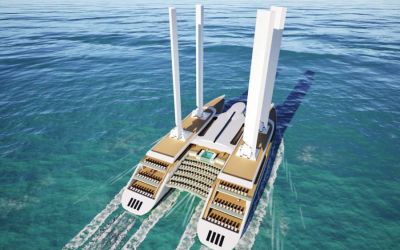
FEATURE | Norwegian firm developing sail-powered cruise ship design
Norwegian naval architecture firm YSA Design has unveiled a concept for a new type of sail-powered catamaran cruise ship that offers the flexibility to access waters where larger vessels will have difficulty operating.
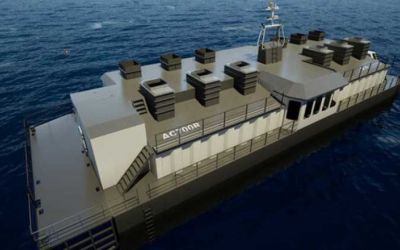
Norway’s Lovundlaks selects local builder for new feed barge
Norwegian aquaculture technology company the AKVA Group has been selected to build a new feed barge for compatriot fish farm operator Lovundlaks.
Newsletter Signup
Sign up to the FREE Work Boat World Newsletter
*By signing up you accept our privacy policy and conditions of use
About Us
Baird Maritime, launched in 1978, is one of the world's premier maritime publishing houses.
The company produces the leading maritime new portal BairdMaritime.com, home of the world famous Work Boat World, Fishing Boat World, Ship World, Ausmarine, and Commercial Mariner sub-sites, and the industry-leading ship brokerage platforms WorkBoatWorld.com and ShipWorld.com.
Contact us: [email protected]