



![COLUMN | Safety culture matters: Pemex and Perenco on the wrong side of history [Offshore Accounts]](/wp-content/plugins/widgetkit/cache/240415-Offshore-Accounts-2e7c215cfce767bcdd41433c958b68c5.jpg)
![COLUMN | Correcting course: Aramco and jackups; Siem Offshore and Kristian Siem; Ferguson Marine; MMA Offshore; Maersk/Svitzer [Offshore Accounts]](/wp-content/plugins/widgetkit/cache/240408-Offshore-Accounts-9965291fbf97c3136189dedb0097c7b0.jpg)

![COLUMN | Safety culture matters: Pemex and Perenco on the wrong side of history [Offshore Accounts]](/wp-content/plugins/widgetkit/cache/240415-Offshore-Accounts-78addcfe7cd7722dbf7e367fd44924ff.jpg)
![COLUMN | Correcting course: Aramco and jackups; Siem Offshore and Kristian Siem; Ferguson Marine; MMA Offshore; Maersk/Svitzer [Offshore Accounts]](/wp-content/plugins/widgetkit/cache/240408-Offshore-Accounts-f47b25d512dcc397dd4df46b48eb30c3.jpg)

![COLUMN | Safety culture matters: Pemex and Perenco on the wrong side of history [Offshore Accounts]](https://www.bairdmaritime.com/wp-content/uploads/240415-Offshore-Accounts.jpg)
![COLUMN | Correcting course: Aramco and jackups; Siem Offshore and Kristian Siem; Ferguson Marine; MMA Offshore; Maersk/Svitzer [Offshore Accounts]](https://www.bairdmaritime.com/wp-content/uploads/240408-Offshore-Accounts.jpg)
Latest Features & Opinion
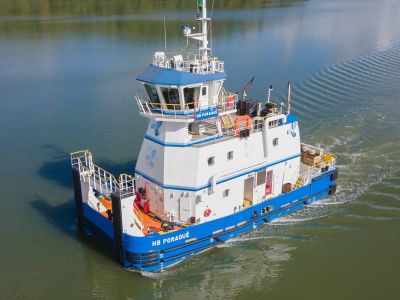
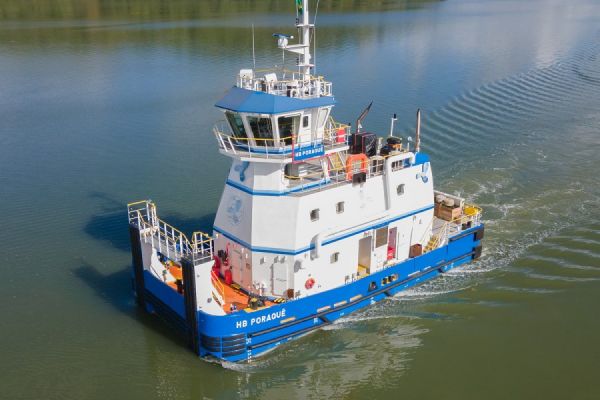
AWARDS 2023 | Best Medium Pusher Tug – HB Poraque – Robert Allan Ltd & Belov Engenharia
Best Medium Pusher Tug – HB Poraque – Robert Allan Ltd & Belov Engenharia This very interesting and versatile medium-sized inland waters pusher tug has been built as the first of a pair by a Brazilian shipyard, Belov Engenharia. The hybrid-electric-powered vessel, with a shallow draught and an impressive top speed ..

FEATURE | UK partnership to explore energy storage and transfer using electric vessels
The Electric Thames project, a collaboration between UK Power Networks, LCP Delta, and Marine Zero, is assessing the viability of using electric vessels to feed stored electricity back into London’s energy network.
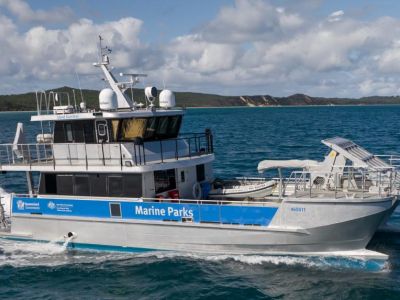
AWARDS 2023 | Best Security Landing Craft – Island Guardian – Norman R. Wright and Sons
Best Security Landing Craft – Island Guardian – Norman R. Wright and Sons This fast, truly multi-purpose craft from Queensland’s renowned Norman R. Wright and Sons has a multitude of roles. It combines those of patrol boat, landing craft, Ro-Pax ferry, research vessel, general work boat and more for Australia’s ..
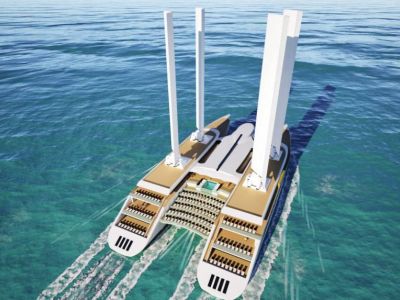
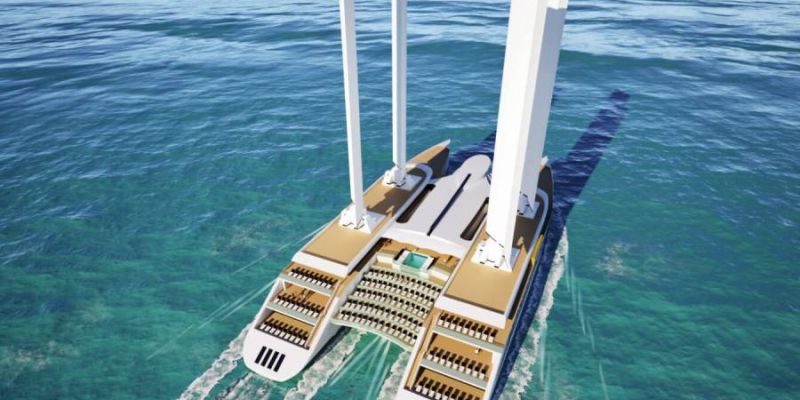
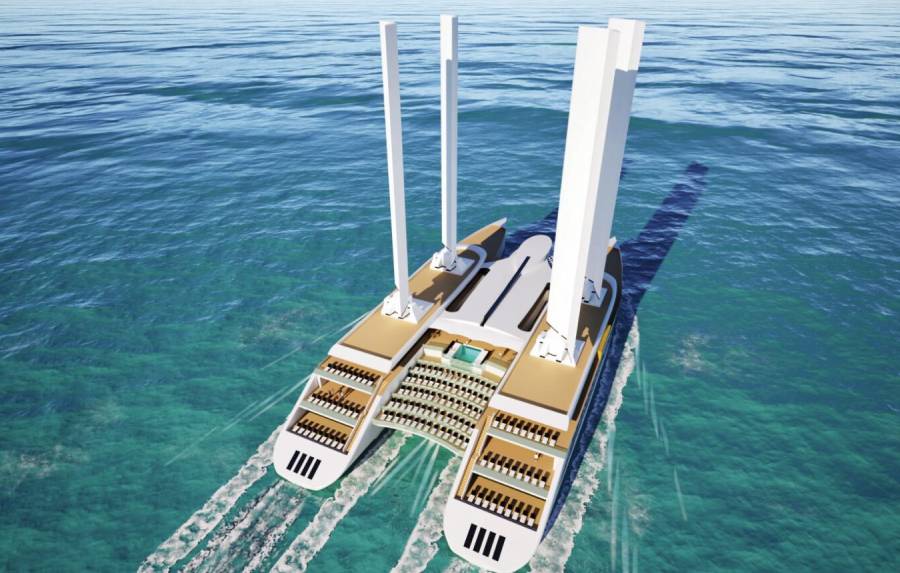
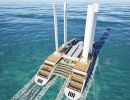
FEATURE | Norwegian firm developing sail-powered cruise ship design
Norwegian naval architecture firm YSA Design has unveiled a concept for a new type of sail-powered catamaran cruise ship that offers the flexibility to access waters where larger vessels will have difficulty operating.
![COLUMN | Safety culture matters: Pemex and Perenco on the wrong side of history [Offshore Accounts]](/wp-content/plugins/widgetkit/cache/240415-Offshore-Accounts-2e71a0643ec0cb3641b2d823b5981d94.jpg)
COLUMN | Safety culture matters: Pemex and Perenco on the wrong side of history [Offshore Accounts]
Offshore is one of the industries with the biggest risk profiles in the world. When bad things happen in offshore, people die, often there are explosions and sinkings, fires and oil spills, and the environment can be badly polluted, killing seabirds, fish, dolphins and coral, and inflicting billions of dollars of losses on ..
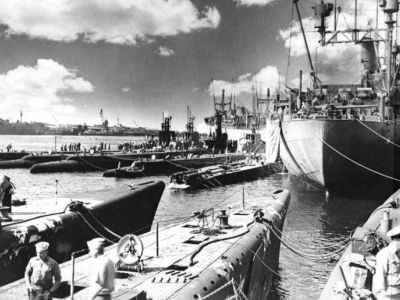
OPINION | Fremantle’s wartime past serves as AUKUS submarine prologue
The strategic potential of Submarine Rotational Force-West, the AUKUS initiative that commits the United States and United Kingdom to forward-deploy a small flotilla of nuclear-powered attack submarines to HMAS Stirling, near Fremantle, isn’t adequately appreciated.
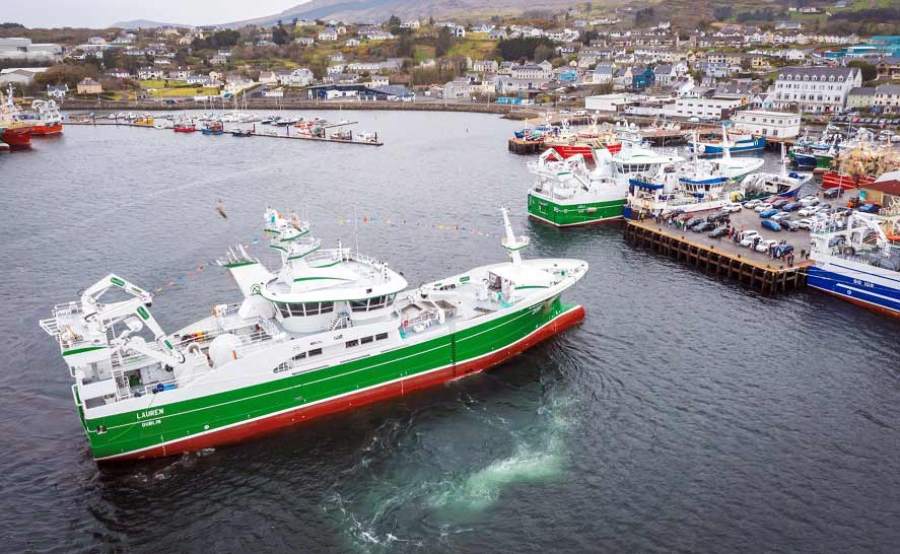
Focus on Fishing and Aquaculture
Baird Maritime once more highlights the ever important fishing and aquaculture sector by reviewing newbuild vessels entering service around the world.
-
-
April 18, 2024
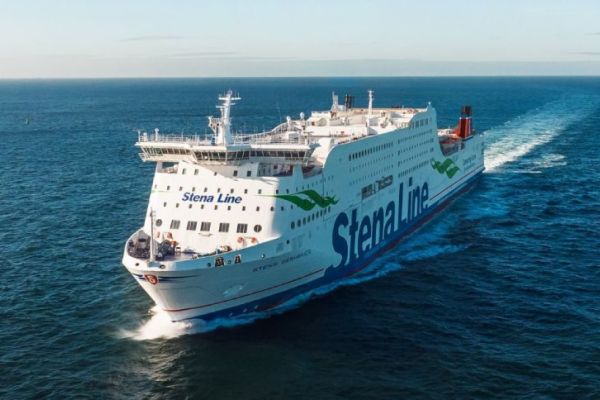
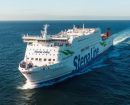
Swedish investigators publish report on crewmember death on Stena Line ferry
The Swedish Accident Investigation Authority (Statens Haverikommission; SHK) has published its report on an investigation into the tragic death of a crewmember on a passenger vessel on a Swedish-flagged ferry on June 27, 2022.
-
BAIRD MARITIME AWARDSApril 18, 2024
AWARDS 2023 | Best Medium Pusher Tug – HB Poraque – Robert Allan Ltd & Belov Engenharia
Best Medium Pusher Tug – HB Poraque – Robert Allan Ltd & Belov Engenharia This very interesting and versatile medium-sized inland waters pusher tug has been built as the first of a pair by a Brazilian shipyard, Belov Engenharia. The hybrid-electric-powered vessel, with a shallow draught and an impressive top speed ..
-
April 17, 2024
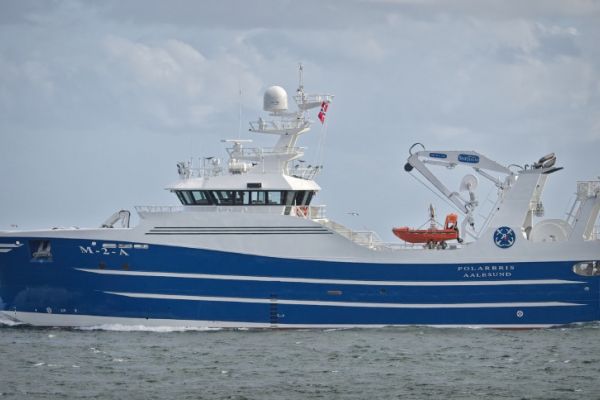
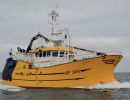
Atlantic Seafish subsidiary welcomes groundfish seiner to fleet
Norwegian seafood company Atlantic Seafish, via subsidiary Polarbris, recently acquired a new groundfish seine netter designed and built by Karstensens Skibsværft of Denmark.
-
-
-
April 18, 2024
Swedish investigators publish report on crewmember death on Stena Line ferry
The Swedish Accident Investigation Authority (Statens Haverikommission; SHK) has published its report on an investigation into the tragic death of a crewmember on a passenger vessel on a Swedish-flagged ferry on June 27, 2022.
-
BAIRD MARITIME AWARDSApril 18, 2024
AWARDS 2023 | Best Medium Pusher Tug – HB Poraque – Robert Allan Ltd & Belov Engenharia
Best Medium Pusher Tug – HB Poraque – Robert Allan Ltd & Belov Engenharia This very interesting and versatile medium-sized inland waters pusher tug has been built as the first of a pair by a Brazilian shipyard, Belov Engenharia. The hybrid-electric-powered vessel, with a shallow draught and an impressive top speed ..
-
April 17, 2024
Atlantic Seafish subsidiary welcomes groundfish seiner to fleet
Norwegian seafood company Atlantic Seafish, via subsidiary Polarbris, recently acquired a new groundfish seine netter designed and built by Karstensens Skibsværft of Denmark.
-
-
-
April 18, 2024
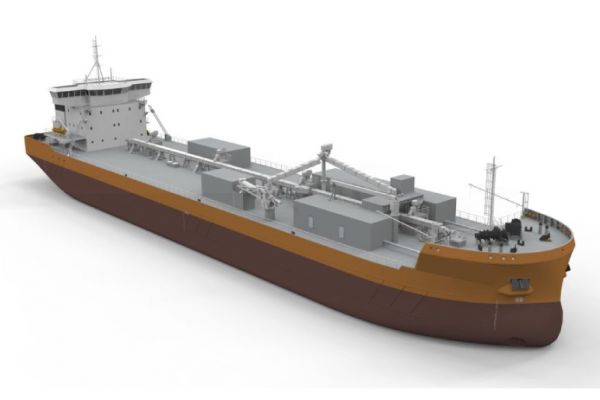
Eureka Shipping unveils cement carrier for Great Lakes trade
Eureka Shipping, a company jointly owned by Cyprus-based SMT Shipping and Canadian shipping operator the CSL Group, has placed an order for a new mechanical/pneumatic cement ship destined for operation in the Great Lakes.
-
April 15, 2024
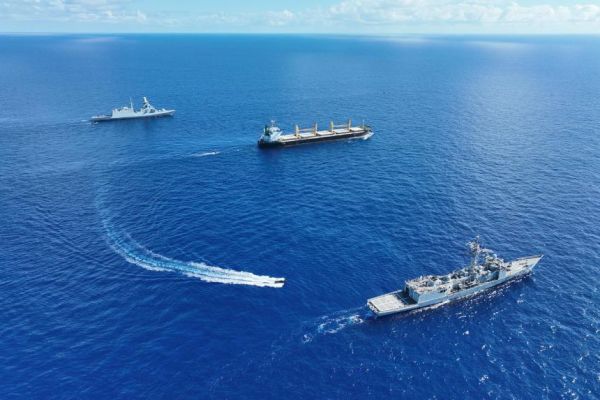
Cargo ship, crew released 32 days after hijacking off Somalia
European Union Naval Force (EUNAVFOR) Somalia, the European Union maritime counter-piracy task force deployed in the waters of the Indian Ocean off Somalia, has confirmed the release of a commercial cargo vessel and its crew 32 days after it was seized.
-
April 5, 2024
Tanker operator faces US treasury sanctions for illicit transfers of oil to Iran
The US Department of the Treasury’s Office of Foreign Assets Control (OFAC) is taking additional action against Iranian military revenue generation, targeting shipping company Oceanlink Maritime DMCC for facilitating the shipment of Iranian commodities on behalf of Iran’s Armed Forces General Staff (AFGS) and Ministry ..
-
-
-
April 17, 2024
Atlantic Seafish subsidiary welcomes groundfish seiner to fleet
Norwegian seafood company Atlantic Seafish, via subsidiary Polarbris, recently acquired a new groundfish seine netter designed and built by Karstensens Skibsværft of Denmark.
-
BAIRD MARITIME AWARDSApril 9, 2024
AWARDS 2023 | Best Feed Barge – 485-tonne feed barge – GroAqua
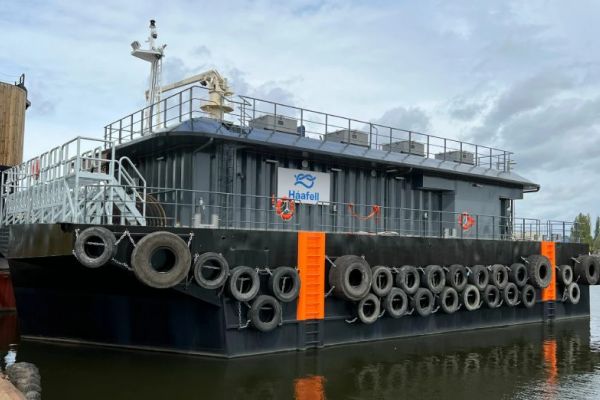
Best Feed Barge – 485-tonne feed barge – GroAqua Fish farm support vessels are, of necessity, becoming larger as they have to operate ever further offshore. Faroe Islands based designer/builder GroAqua has considerable experience with such vessels. This 485-tonne feed barge illustrates its talents perfectly. Built for a ..
-
March 21, 2024
OPINION | China’s grey-zone provocations: time to reciprocate
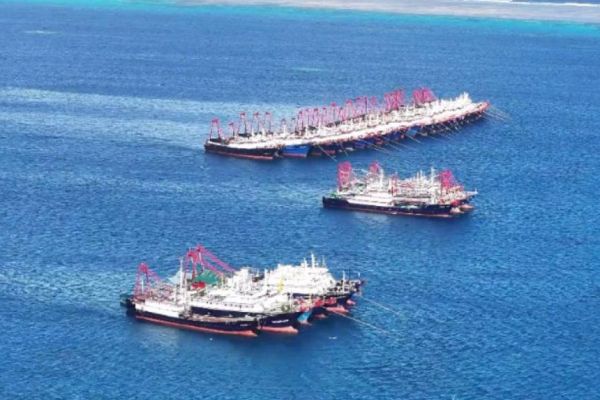
It’s time to send a signal to Beijing that a crisis is approaching.
-
-
-
April 18, 2024
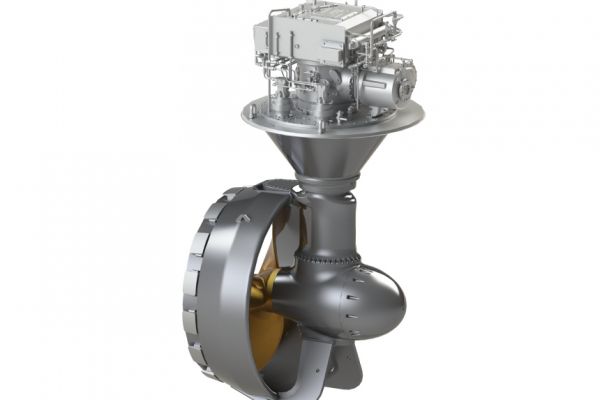
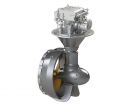
GEAR | Schottel rudder propellers selected for tug quartet
Schottel will equip four new ASD stock tugs from Netherlands-based the Damen Shipyards Group with examples of the Schottel SRP 270 rudder propeller.
-
March 13, 2024
GEAR | Seawork 2024 exhibition to introduce national pavilions for overseas partners
More than a quarter of last year’s exhibitors to Seawork were from overseas, with 20 per cent from Europe and the rest from around the globe. To reflect the growing number of overseas friends and competitors booking stands or registering attendance, Seawork and Marine Civils will be welcoming National Pavilions this year.
-
January 25, 2024
GEAR | Interferry to host joint Africa Ferry Safety seminar with IMO
Global trade association Interferry has partnered with the International Maritime Organisation (IMO) to organise and co-host a seminar on ferry safety in Africa.
-


![COLUMN | Safety culture matters: Pemex and Perenco on the wrong side of history [Offshore Accounts]](/wp-content/plugins/widgetkit/cache/240415-Offshore-Accounts-f0a5050941cd959b8117cb9d6292ff92.jpg)










-
Popular
-
Recent
Other Stories
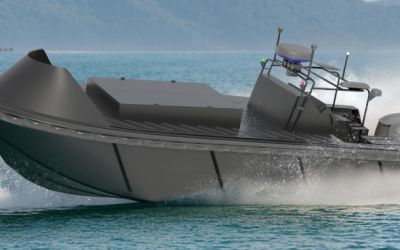
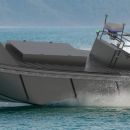
US marine robotics firm unveils multi-role USV
US marine robotics company Sea Machines Robotics has unveiled a new model of unmanned surface vehicle (USV) capable of operating in various industries.
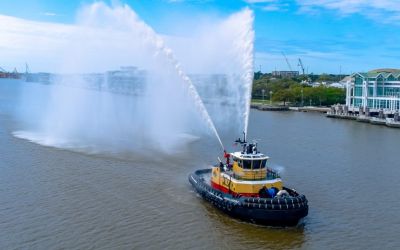
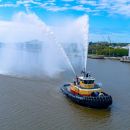
Cooper Group welcomes new escort tug to fleet
The Cooper Group of Companies recently took delivery of a new escort tug that will perform ship assist operations in the Port of Savannah in Georgia.
Newsletter Signup
Sign up to the FREE Work Boat World Newsletter
*By signing up you accept our privacy policy and conditions of use
About Us
Baird Maritime, launched in 1978, is one of the world's premier maritime publishing houses.
The company produces the leading maritime new portal BairdMaritime.com, home of the world famous Work Boat World, Fishing Boat World, Ship World, Ausmarine, and Commercial Mariner sub-sites, and the industry-leading ship brokerage platforms WorkBoatWorld.com and ShipWorld.com.
Contact us: [email protected]