



Latest Features & Opinion
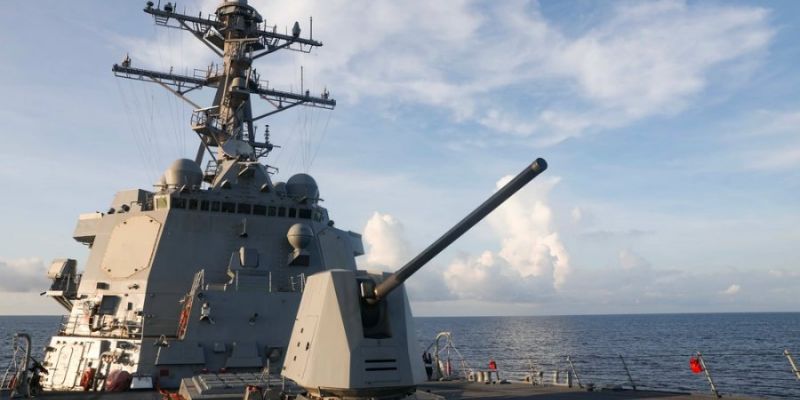
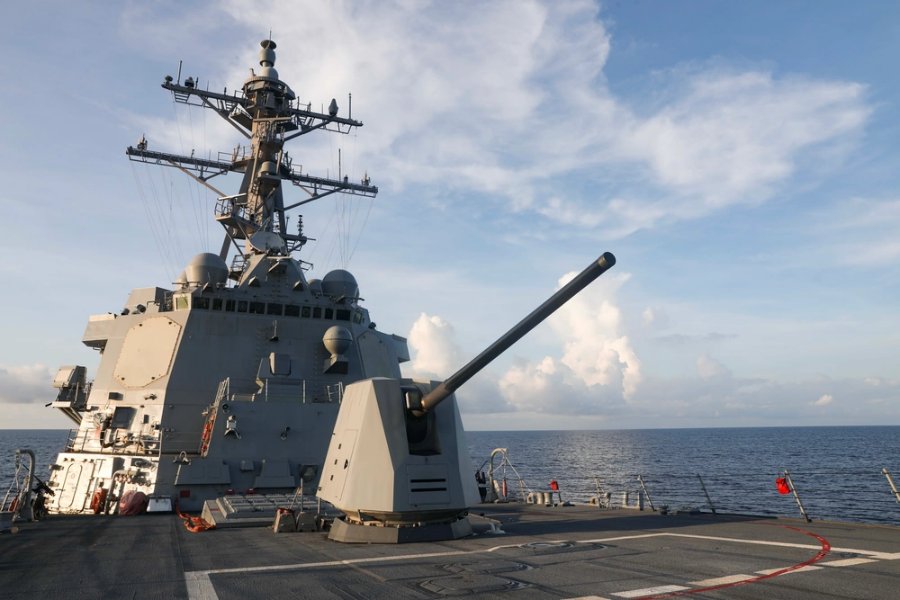
OPINION | FONOPs send a message – but they don’t speak for themselves
The Freedom of Navigation Operations (FONOPs) program run by the US Department of Defense has become a symbol of China-US naval competition and of the West’s advocacy for a rules-based order.
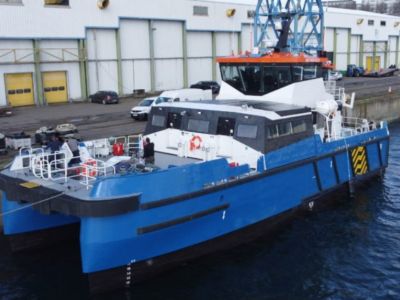
AWARDS 2023 | Best Small WFSV – JLD Virginie – Piriou
Best Small WFSV – JLD Virginie – Piriou This is a smart functional little aluminium catamaran that boasts a number of interesting features, especially the aft location of its wheelhouse. Built in Piriou’s busy Vietnam yard, the vessel is very adaptably multi-role. It is safe, fast, comfortable, economical and very ..
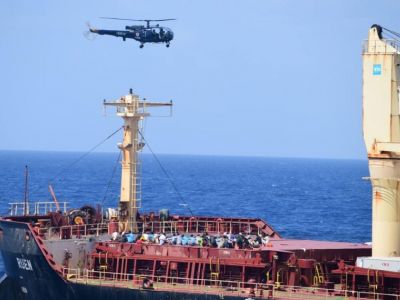
OPINION | Out of focus: Australia neglects western Indian Ocean
The Quad partners often discuss the Indo-Pacific, but they hold differing views on what exactly it is.
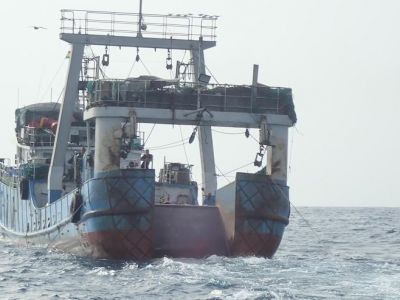
Report: China responsible for human rights abuses and illegal fishing across the Southwest Indian Ocean
The Chinese fishing fleet is responsible for systemic illegal fishing and human rights abuses in countries bordering the Southwest Indian Ocean (SWIO), undercutting China’s claims of supporting sustainable development and thriving blue economies in the region, according to a new report published by the Environmental ..
![COLUMN | On the edge? McDermott, Petrofac, The Metals Company and Cadeler [Offshore Accounts]](/wp-content/plugins/widgetkit/cache/240422-Offshore-Accounts-2088b10168e252362ee78195699a4e71.jpg)
COLUMN | On the edge? McDermott, Petrofac, The Metals Company and Cadeler [Offshore Accounts]
Lady Gaga famously sang that she was “on the edge of glory”. This week, we look at four companies on the edge of….well, something.
![COLUMN | Our sea freedoms at stake [Grey Power]](/wp-content/plugins/widgetkit/cache/1000w_q95-prosperity-guardian-3ae1eadb1ec4d601a07976884e8f0fa0.jpg)
COLUMN | Our sea freedoms at stake [Grey Power]
One does not wish to provoke any sort of angry response from readers, but is it not time that the definition of piracy was updated?
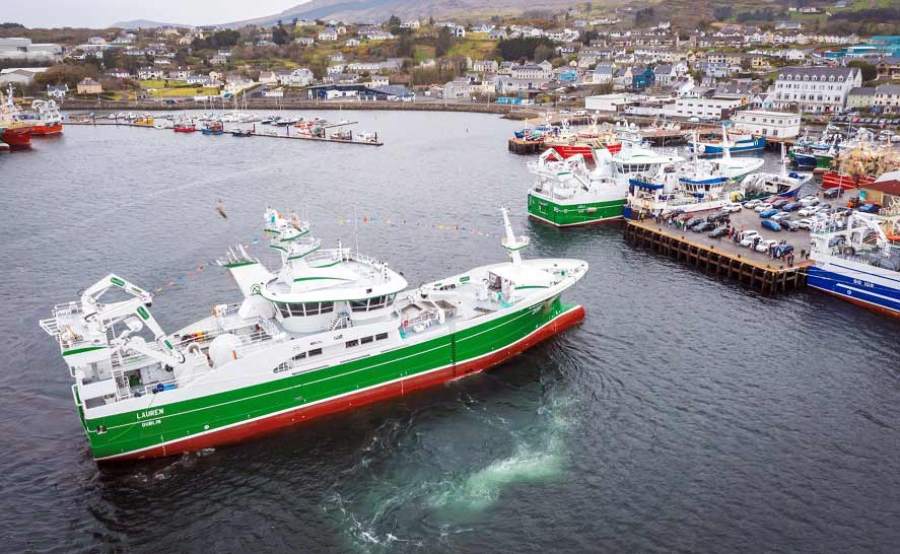
Focus on Fishing and Aquaculture
Baird Maritime once more highlights the ever important fishing and aquaculture sector by reviewing newbuild vessels entering service around the world.
-
-
April 25, 2024
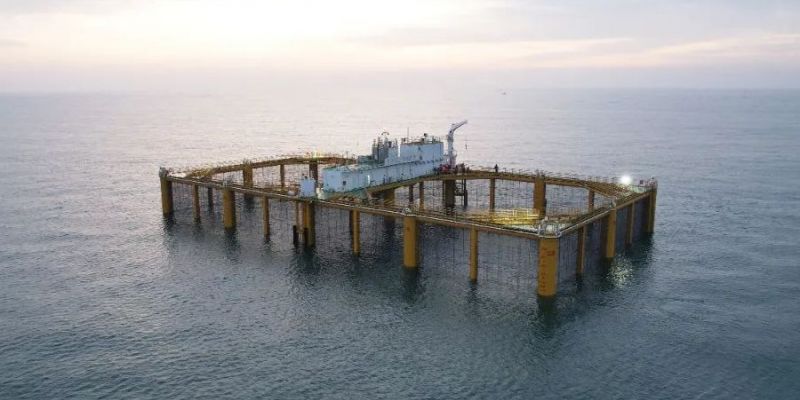
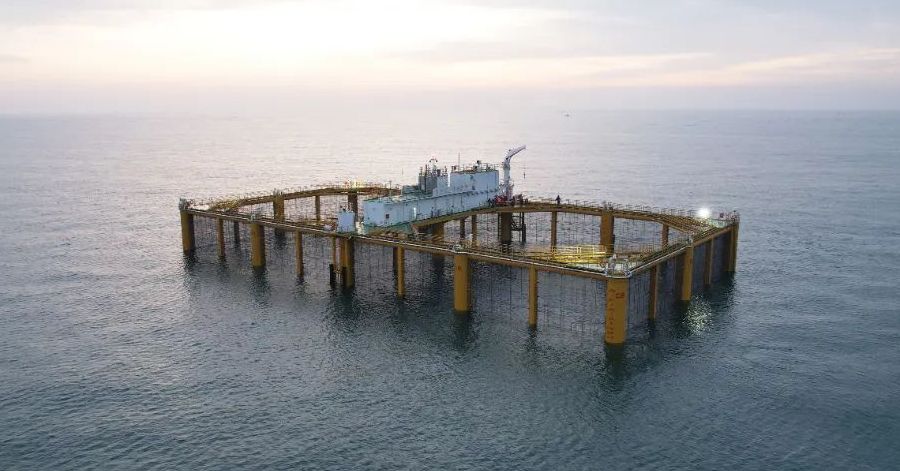
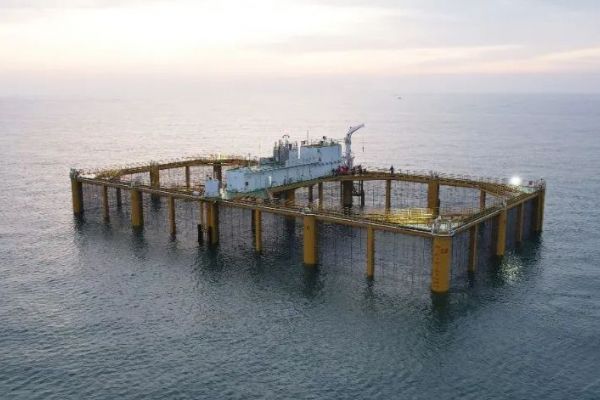
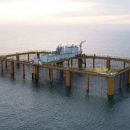
VESSEL REVIEW | Caijin Haishang Liangcang Yi Hao-1 – Large, submersible salmon pen to be deployed in China’s offshore waters
Chinese company Shandong Caijin Wanzefeng Marine Technology has completed construction of a submersible fish pen for harvesting salmon in offshore waters.
-
April 24, 2024
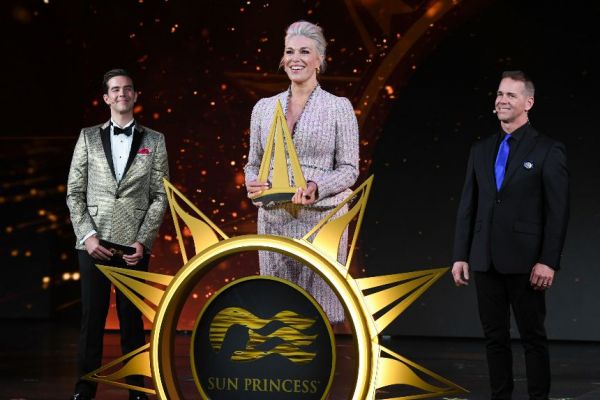
Princess Cruises christens newest 4,300-guest ship
Princess Cruises christened its newest cruise ship, the 4,300-guest Sun Princess, in a ceremony at the Port of Barcelona in Spain on Tuesday, April 23.
-
April 23, 2024
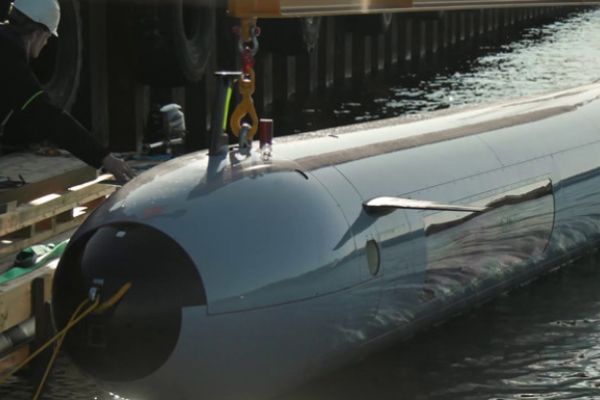
Factory testing concluded for Norwegian-developed long-endurance AUV
Norway’s Kongsberg, via its Kongsberg Discovery technology division, has confirmed that the first production example of its long-range Hugin Endurance autonomous underwater vehicle (AUV) has completed factory acceptance testing.
-
-
-
April 25, 2024
VESSEL REVIEW | Caijin Haishang Liangcang Yi Hao-1 – Large, submersible salmon pen to be deployed in China’s offshore waters
Chinese company Shandong Caijin Wanzefeng Marine Technology has completed construction of a submersible fish pen for harvesting salmon in offshore waters.
-
April 24, 2024
Princess Cruises christens newest 4,300-guest ship
Princess Cruises christened its newest cruise ship, the 4,300-guest Sun Princess, in a ceremony at the Port of Barcelona in Spain on Tuesday, April 23.
-
April 23, 2024
Factory testing concluded for Norwegian-developed long-endurance AUV
Norway’s Kongsberg, via its Kongsberg Discovery technology division, has confirmed that the first production example of its long-range Hugin Endurance autonomous underwater vehicle (AUV) has completed factory acceptance testing.
-
-
-
April 25, 2024
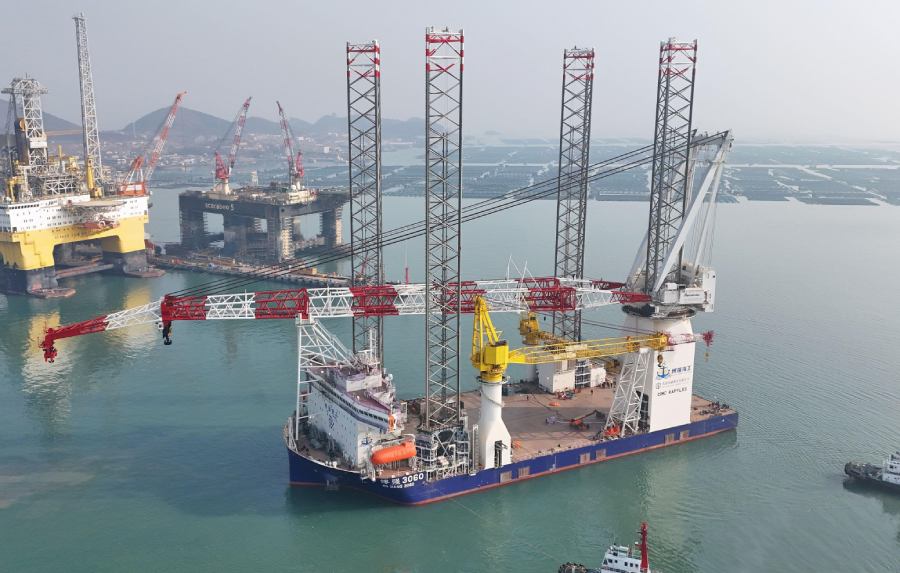
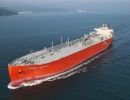
Malaysia’s MISC orders ammonia-fuelled tanker pair
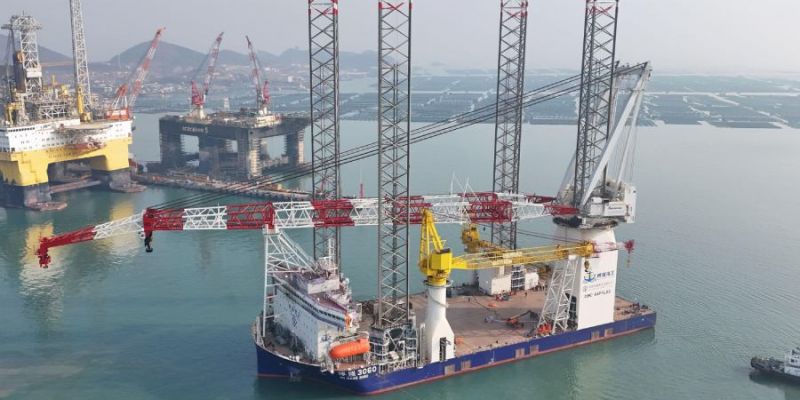
Malaysian shipping company the MISC Group, through its tanker arm AET, has placed an order for two Aframax vessels in a series to be built by China State Shipbuilding Corporation subsidiary Dalian Shipbuilding Industry Company (DSIC).
-
April 22, 2024
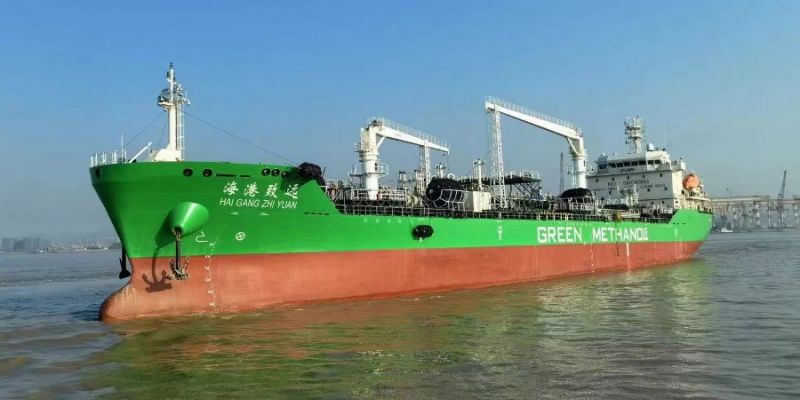
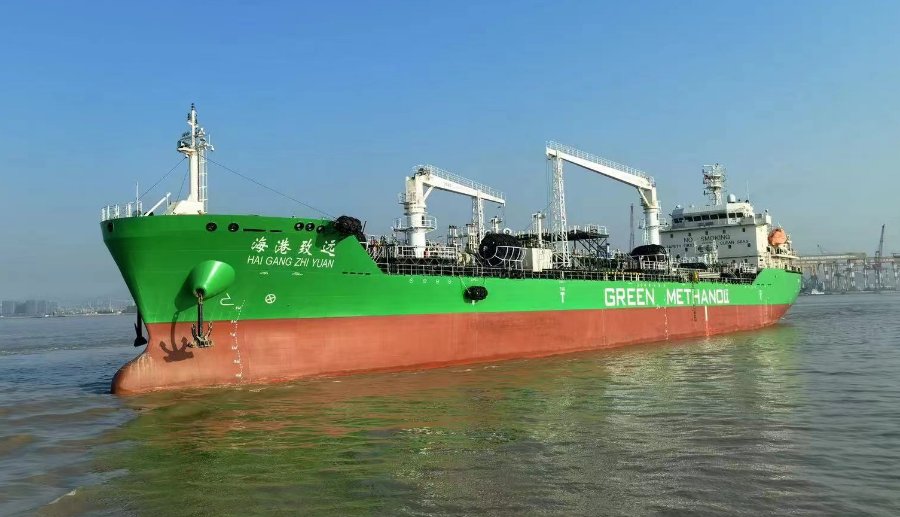
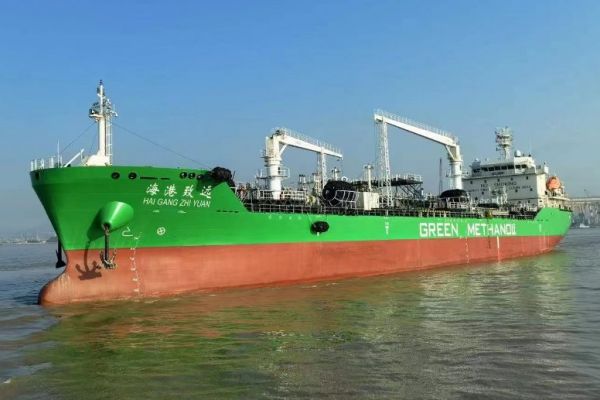
VESSEL REFIT | Haigang Zhiyuan – Chemical tanker re-enters service as China’s first methanol bunkering ship
Zhoushan Putuo Changhong Shipyard in China has completed conversion works on a locally-owned chemical tanker to enable it to operate as a bunkering vessel that will serve ships running on methanol.
-
April 18, 2024
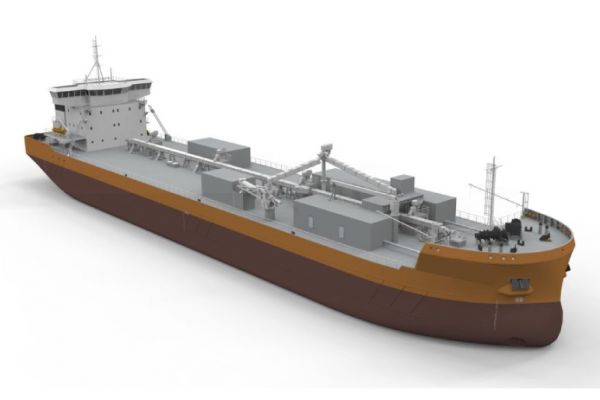
Eureka Shipping unveils cement carrier for Great Lakes trade
Eureka Shipping, a company jointly owned by Cyprus-based SMT Shipping and Canadian shipping operator the CSL Group, has placed an order for a new mechanical/pneumatic cement ship destined for operation in the Great Lakes.
-
-
-
April 25, 2024
VESSEL REVIEW | Caijin Haishang Liangcang Yi Hao-1 – Large, submersible salmon pen to be deployed in China’s offshore waters
Chinese company Shandong Caijin Wanzefeng Marine Technology has completed construction of a submersible fish pen for harvesting salmon in offshore waters.
-
April 16, 2024
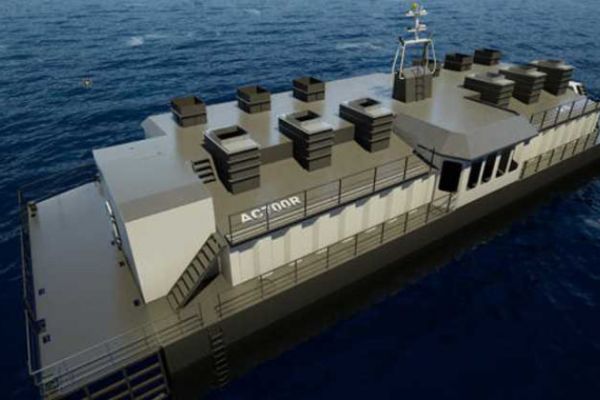
Norway’s Lovundlaks selects local builder for new feed barge
Norwegian aquaculture technology company the AKVA Group has been selected to build a new feed barge for compatriot fish farm operator Lovundlaks.
-
BAIRD MARITIME AWARDSMarch 26, 2024
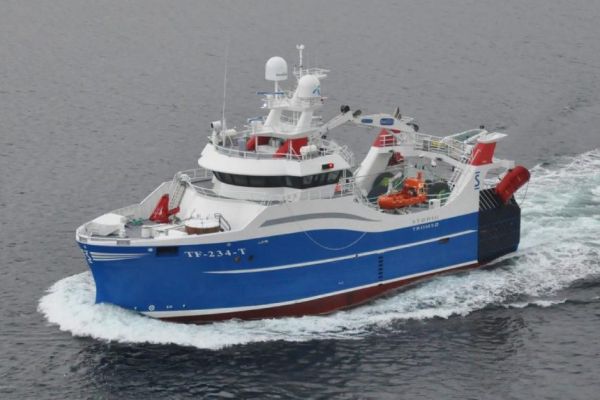
AWARDS 2023 | Best Multi-Purpose Fishing Vessel – Stødig – Karstensens Skibsværft
Best Multi-Purpose Fishing Vessel – Stødig – Karstensens Skibsværft Another magnificent, multi-purpose fishing vessel built by leading Danish shipyard Karstensens for a very experienced Norwegian ship owner. She is a very versatile ship that will be used to catch crabs as well as for seine netting and trawling in the ..
-
-
-
April 18, 2024
GEAR | Schottel rudder propellers selected for tug quartet
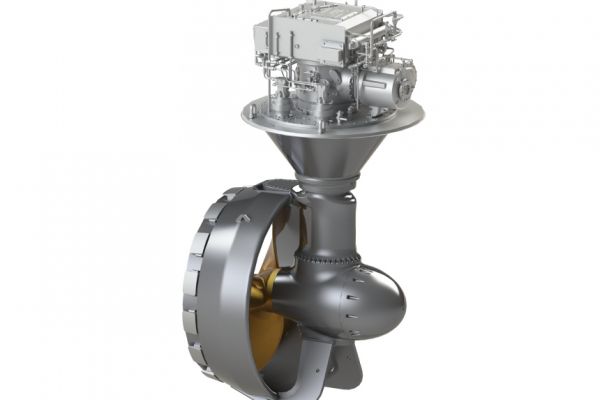
Schottel will equip four new ASD stock tugs from Netherlands-based the Damen Shipyards Group with examples of the Schottel SRP 270 rudder propeller.
-
March 13, 2024
GEAR | Seawork 2024 exhibition to introduce national pavilions for overseas partners
More than a quarter of last year’s exhibitors to Seawork were from overseas, with 20 per cent from Europe and the rest from around the globe. To reflect the growing number of overseas friends and competitors booking stands or registering attendance, Seawork and Marine Civils will be welcoming National Pavilions this year.
-
January 25, 2024
GEAR | Interferry to host joint Africa Ferry Safety seminar with IMO
Global trade association Interferry has partnered with the International Maritime Organisation (IMO) to organise and co-host a seminar on ferry safety in Africa.
-



![COLUMN | Our sea freedoms at stake [Grey Power]](/wp-content/plugins/widgetkit/cache/1000w_q95-prosperity-guardian-708a61dcdf3eb9a1728399c1482da117.jpg)









-
Popular
-
Recent

Other Stories
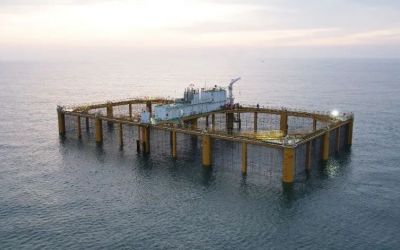
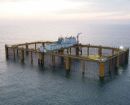
VESSEL REVIEW | Caijin Haishang Liangcang Yi Hao-1 – Large, submersible salmon pen to be deployed in China’s offshore waters
Chinese company Shandong Caijin Wanzefeng Marine Technology has completed construction of a submersible fish pen for harvesting salmon in offshore waters.
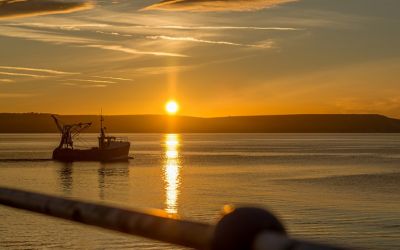
US Coast Guard completes investigation into loss of crab boat near Newport, Oregon
The US Coast Guard has completed its investigation into the January 8, 2019, loss of the commercial fishing vessel Mary B II and three crewmembers on the Yaquina Bay Bar near Newport, Oregon.
Newsletter Signup
Sign up to the FREE Work Boat World Newsletter
*By signing up you accept our privacy policy and conditions of use
About Us
Baird Maritime, launched in 1978, is one of the world's premier maritime publishing houses.
The company produces the leading maritime new portal BairdMaritime.com, home of the world famous Work Boat World, Fishing Boat World, Ship World, Ausmarine, and Commercial Mariner sub-sites, and the industry-leading ship brokerage platforms WorkBoatWorld.com and ShipWorld.com.
Contact us: [email protected]