


![COLUMN | On the edge? McDermott, Petrofac, The Metals Company and Cadeler [Offshore Accounts]](/wp-content/plugins/widgetkit/cache/240422-Offshore-Accounts-4effc173250e23080825d633f727e0ef.jpg)
![COLUMN | Our sea freedoms at stake [Grey Power]](/wp-content/plugins/widgetkit/cache/1000w_q95-prosperity-guardian-2c5504af2ad86aac02789b12b2512e11.jpg)
![COLUMN | On the edge? McDermott, Petrofac, The Metals Company and Cadeler [Offshore Accounts]](/wp-content/plugins/widgetkit/cache/240422-Offshore-Accounts-a47fcb6c3961887861c879dfde1a68e7.jpg)
![COLUMN | Our sea freedoms at stake [Grey Power]](/wp-content/plugins/widgetkit/cache/1000w_q95-prosperity-guardian-937b97f6874c13cdd81d3c0179efda36.jpg)
-
July 26, 2019
COLUMN | Our sea freedoms at stake [Grey Power]
![COLUMN | On the edge? McDermott, Petrofac, The Metals Company and Cadeler [Offshore Accounts]](https://www.bairdmaritime.com/wp-content/uploads/240422-Offshore-Accounts.jpg)
![COLUMN | Our sea freedoms at stake [Grey Power]](https://www.bairdmaritime.com/wp-content/uploads/1000w_q95-prosperity-guardian.jpg)
Latest Features & Opinion
OPINION | Out of focus: Australia neglects western Indian Ocean
The Quad partners often discuss the Indo-Pacific, but they hold differing views on what exactly it is.
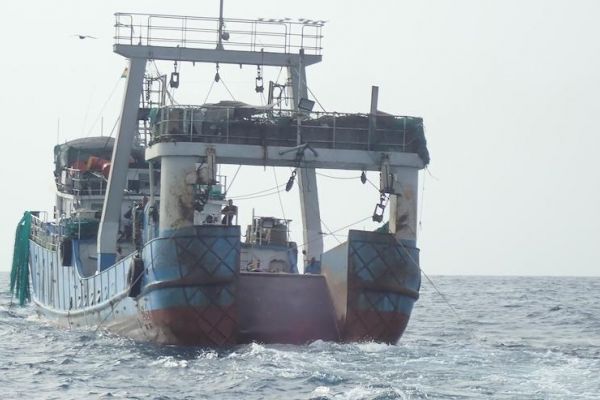
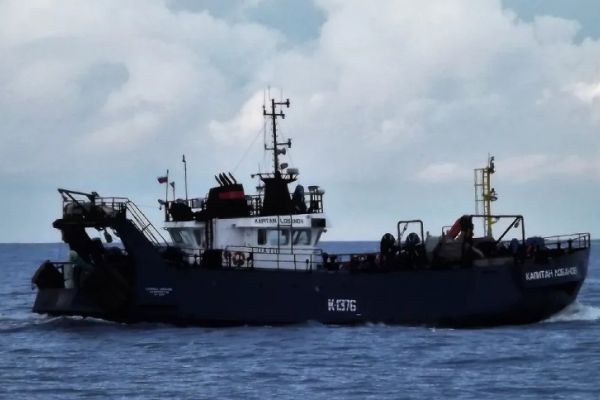
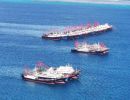
Report: China responsible for human rights abuses and illegal fishing across the Southwest Indian Ocean
The Chinese fishing fleet is responsible for systemic illegal fishing and human rights abuses in countries bordering the Southwest Indian Ocean (SWIO), undercutting China’s claims of supporting sustainable development and thriving blue economies in the region, according to a new report published by the Environmental ..
![COLUMN | On the edge? McDermott, Petrofac, The Metals Company and Cadeler [Offshore Accounts]](/wp-content/plugins/widgetkit/cache/240422-Offshore-Accounts-2088b10168e252362ee78195699a4e71.jpg)
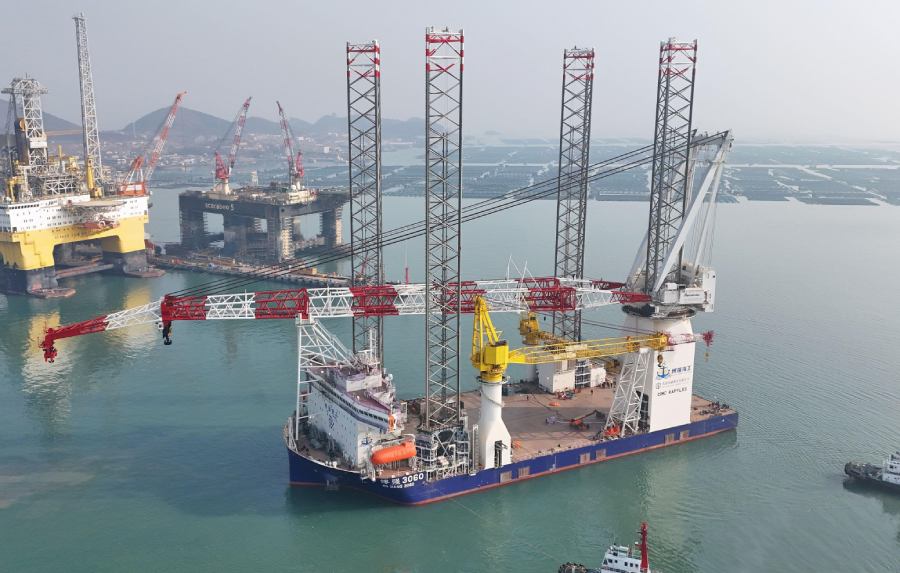
COLUMN | On the edge? McDermott, Petrofac, The Metals Company and Cadeler [Offshore Accounts]
Lady Gaga famously sang that she was “on the edge of glory”. This week, we look at four companies on the edge of….well, something.
![COLUMN | Our sea freedoms at stake [Grey Power]](/wp-content/plugins/widgetkit/cache/1000w_q95-prosperity-guardian-3ae1eadb1ec4d601a07976884e8f0fa0.jpg)
COLUMN | Our sea freedoms at stake [Grey Power]
One does not wish to provoke any sort of angry response from readers, but is it not time that the definition of piracy was updated?
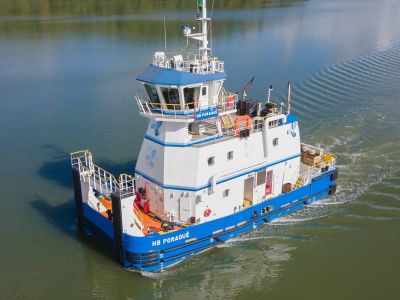
AWARDS 2023 | Best Medium Pusher Tug – HB Poraque – Robert Allan Ltd & Belov Engenharia
Best Medium Pusher Tug – HB Poraque – Robert Allan Ltd & Belov Engenharia This very interesting and versatile medium-sized inland waters pusher tug has been built as the first of a pair by a Brazilian shipyard, Belov Engenharia. The hybrid-electric-powered vessel, with a shallow draught and an impressive top speed ..

FEATURE | UK partnership to explore energy storage and transfer using electric vessels
The Electric Thames project, a collaboration between UK Power Networks, LCP Delta, and Marine Zero, is assessing the viability of using electric vessels to feed stored electricity back into London’s energy network.
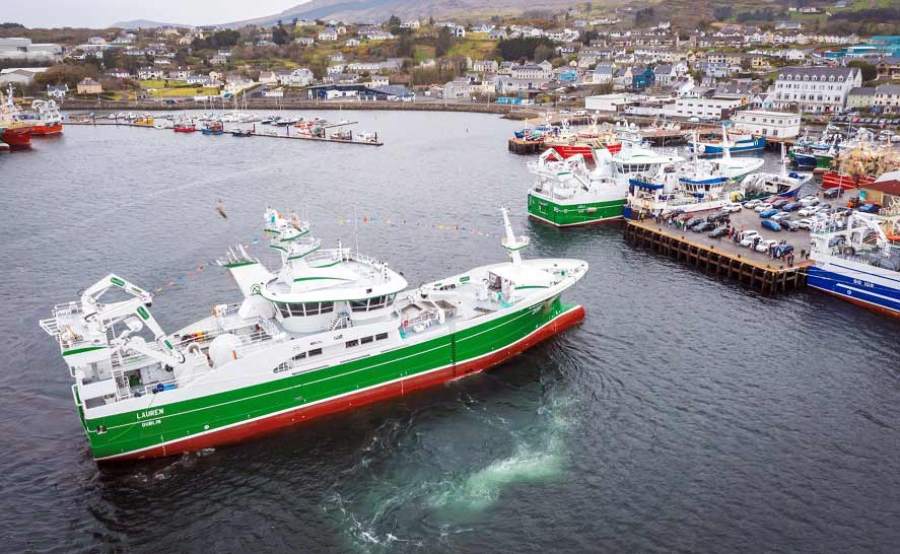
Focus on Fishing and Aquaculture
Baird Maritime once more highlights the ever important fishing and aquaculture sector by reviewing newbuild vessels entering service around the world.
-
-
April 23, 2024
Four missing after cargo ship hits bridge in Guangdong, China
Authorities in Guangdong province in southern China have reported that four people have gone missing after the vessel they were serving on struck a bridge in the city of Foshan on Monday, April 22.
-
April 23, 2024
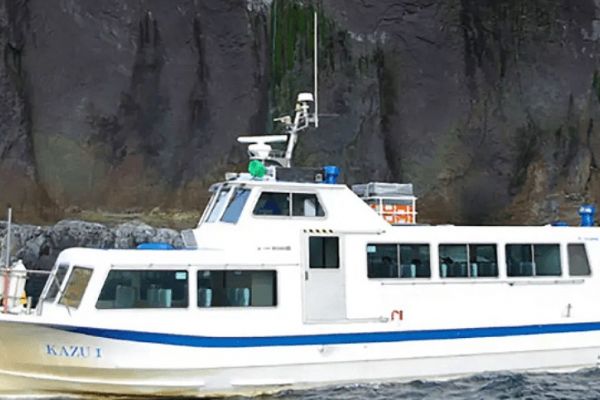
Victims’ families to sue Japanese tour boat operator over deadly sinking
Japanese news outlet The Asahi Shimbun reports that the families of some of the deceased victims of a tour boat sinking that occurred off Japan’s Hokkaido island two years prior intend to press charges against the vessel’s operating company and its president in relation to the incident.
-
April 22, 2024
COLUMN | On the edge? McDermott, Petrofac, The Metals Company and Cadeler [Offshore Accounts]
Lady Gaga famously sang that she was “on the edge of glory”. This week, we look at four companies on the edge of….well, something.
-
-
-
April 23, 2024
Four missing after cargo ship hits bridge in Guangdong, China
Authorities in Guangdong province in southern China have reported that four people have gone missing after the vessel they were serving on struck a bridge in the city of Foshan on Monday, April 22.
-
April 23, 2024
Victims’ families to sue Japanese tour boat operator over deadly sinking
Japanese news outlet The Asahi Shimbun reports that the families of some of the deceased victims of a tour boat sinking that occurred off Japan’s Hokkaido island two years prior intend to press charges against the vessel’s operating company and its president in relation to the incident.
-
April 22, 2024
COLUMN | On the edge? McDermott, Petrofac, The Metals Company and Cadeler [Offshore Accounts]
Lady Gaga famously sang that she was “on the edge of glory”. This week, we look at four companies on the edge of….well, something.
-
-
-
April 23, 2024
Four missing after cargo ship hits bridge in Guangdong, China
Authorities in Guangdong province in southern China have reported that four people have gone missing after the vessel they were serving on struck a bridge in the city of Foshan on Monday, April 22.
-
April 19, 2024
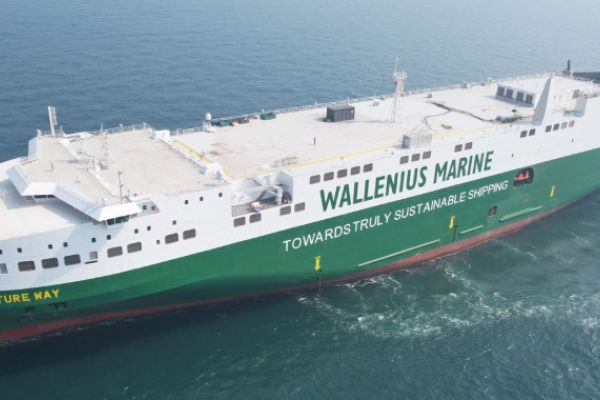
Wallenius Lines takes delivery of multi-fuel car carrier
Swedish shipping company Wallenius Lines recently took delivery of the first vessel in a new series of pure car and truck carriers (PCTCs) built by CIMC Raffles of China.
-
April 16, 2024
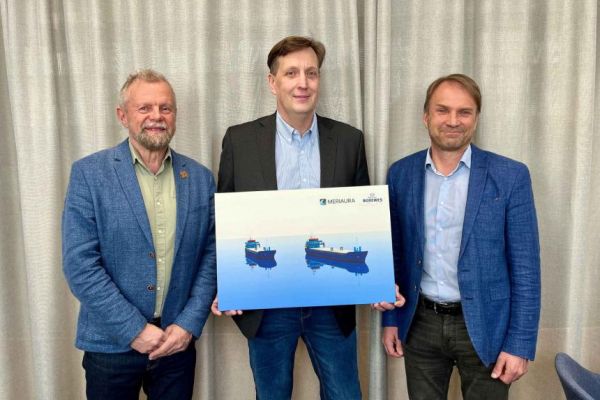
Finland’s Meriaura orders cargo ship pair from Dutch builder
Finnish shipping company Meriaura has placed an order for two new cargo vessels in a series to be built by Netherlands-based shipyard Royal Bodewes.
-
-
-
April 23, 2024
Report: China responsible for human rights abuses and illegal fishing across the Southwest Indian Ocean
The Chinese fishing fleet is responsible for systemic illegal fishing and human rights abuses in countries bordering the Southwest Indian Ocean (SWIO), undercutting China’s claims of supporting sustainable development and thriving blue economies in the region, according to a new report published by the Environmental ..
-
April 11, 2024
Construction starts on DP-capable fish farming vessel for Chinese offshore waters
Chinese shipbuilder Jiangsu Dajin Heavy Industry has commenced construction on a new type of semi-submersible offshore fish farming vessel to be fitted with a dynamic positioning (DP) system.
-
March 22, 2024
Three killed after missile hits fishing vessel in Baltic Sea off Russia
Three people were killed while four others suffered varying degrees of injury after a fishing vessel was accidentally struck by a missile fired from a Russian Navy ship in the Baltic Sea off Russia’s Kaliningrad region on Tuesday, March 19.
-
-
-
April 18, 2024
GEAR | Schottel rudder propellers selected for tug quartet
Schottel will equip four new ASD stock tugs from Netherlands-based the Damen Shipyards Group with examples of the Schottel SRP 270 rudder propeller.
-
March 13, 2024
GEAR | Seawork 2024 exhibition to introduce national pavilions for overseas partners
More than a quarter of last year’s exhibitors to Seawork were from overseas, with 20 per cent from Europe and the rest from around the globe. To reflect the growing number of overseas friends and competitors booking stands or registering attendance, Seawork and Marine Civils will be welcoming National Pavilions this year.
-
January 25, 2024
GEAR | Interferry to host joint Africa Ferry Safety seminar with IMO
Global trade association Interferry has partnered with the International Maritime Organisation (IMO) to organise and co-host a seminar on ferry safety in Africa.
-
![COLUMN | On the edge? McDermott, Petrofac, The Metals Company and Cadeler [Offshore Accounts]](/wp-content/plugins/widgetkit/cache/240422-Offshore-Accounts-bb54d563ff62d0238376d8005551028a.jpg)

![COLUMN | Our sea freedoms at stake [Grey Power]](/wp-content/plugins/widgetkit/cache/1000w_q95-prosperity-guardian-708a61dcdf3eb9a1728399c1482da117.jpg)

![COLUMN | Safety culture matters: Pemex and Perenco on the wrong side of history [Offshore Accounts]](/wp-content/plugins/widgetkit/cache/240415-Offshore-Accounts-f0a5050941cd959b8117cb9d6292ff92.jpg)








-
Popular
-
Recent

Other Stories
Four missing after cargo ship hits bridge in Guangdong, China
Authorities in Guangdong province in southern China have reported that four people have gone missing after the vessel they were serving on struck a bridge in the city of Foshan on Monday, April 22.
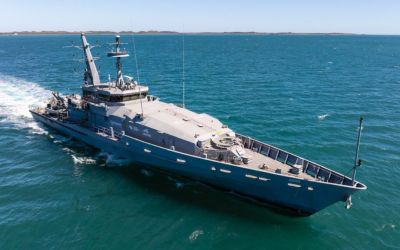
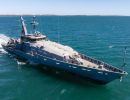
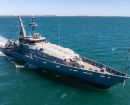
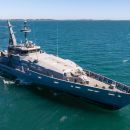
Royal Australian Navy autonomous patrol boat completes acceptance trials
Austal Australia has successfully completed sea acceptance trials, including endurance trials, of Sentinel, a remote and autonomously operated vessel of the Royal Australian Navy.
Newsletter Signup
Sign up to the FREE Work Boat World Newsletter
*By signing up you accept our privacy policy and conditions of use
About Us
Baird Maritime, launched in 1978, is one of the world's premier maritime publishing houses.
The company produces the leading maritime new portal BairdMaritime.com, home of the world famous Work Boat World, Fishing Boat World, Ship World, Ausmarine, and Commercial Mariner sub-sites, and the industry-leading ship brokerage platforms WorkBoatWorld.com and ShipWorld.com.
Contact us: [email protected]